http://www.washingtonpost.com/news/speaking-of-science/wp/2014/09/04/this-is-the-kind-of-dinosaur-you-find-in-hollywood/
Thursday, 4 September 2014

Grieving Over Lost Generations

The Church is weak everywhere, but there are pockets of resistance. However, geography has had an impact. The old pioneer spirit has lasted much longer between the Ohio River and the Rockies than elsewhere.
It is obvious that the Church is much weaker on both coasts. It is obvious that there are more non-church going people than in the Midwest or the South.
Memories of Christianity have been snuffed out like smoking candles for two generations here.
I blame parents, fully, and not priests. In some missionary countries, Catholicism was kept solidly by the laity underground.
But, now, it is so clear to me that those generations of youth who had no Catholicity at home may very well be so closed as to not even want to consider converting.

I see this in the two generations after mine. Obviously, the Baby Boomer parents did not do their jobs.
God allowed me to see the rot in Catholic schools in the 1980s. Even then, I decided if I ever married and had children to home school them.
God allowed me to see the hypocrisy and outright hostility to Rome when St. John Paul II asked all the colleges and universities which are Catholic to insist on all teachers taking the Oath and Promise, so many times posted on this blog.
The laity is responsible for the end of the Christian culture in America and Europe, but more than that, those clergy, priests, bishops, and cardinals, who spread modernism or were just too selfish and greedy for power to object to the status quo, caved in.
For many, there are no preachers, no teachers, no missionaries.
It will get worse.
I am, today, grieving over the children who are now adults, who are labeled GenX. They are the most in danger, as they are true materialists.

I grieve for those Millennials who are children of the GenXers, who have never, ever had to sacrifice, do chores at home, work for anything and were raised as hothouse plants.
To be a member of the Church Militant is hard work. To be a saint is hard work.
It means sacrificing "stuff" to raise your children Catholic. It means being salt, being the sign of contradiction in the world, to really stand up daily for the Faith and never compromise.
My generation will be judged strongly, as we had the last of the great education of Catholics.
And, as I had Classical Education, I, too, shall be judged severely, which is one reason I continue this blog. I have to make up for the wasted years, the sins of leading others astray when I was a youth.
Millions of people in America and Europe would go to hell today is there was a nuclear or natural, or planned disaster. Do not kid yourselves about this.
Stop spending time on trivia, any type of trivia is time away from your salvation and the salvation of others.
The last two generations spend more money on entertainment than all the rest before them. My friends in Iowa told me this.
When I was married, we went out to eat maybe four times a year, max. My parent went out once a month, but they had more money than my little family.
Now, I have some friends in the two coastal areas, California and the East Coast tell me that people go out everyday to eat and do not eat at home.
One of my dear friends, in her early forties, and an excellent cook, told me last March that people in her generation do not know how to cook. She is a Gen Xer. Their moms did not teach them how to cook, sew, can, clean, or take care of children.
The Millennials cannot do these things, either.
When my son was ten, for Christmas, I gave him a tool kit and a cook book. He can fix anything and is a fantastic cook.
Why? I made him do these things at home. He likes working with his hands.
How many kids have never done anything like fix steps, paint walls, plan and take care of an entire garden, learn easy plumbing jobs for maintenance, make things, bake.
Two generations are lost. I am not sure they can be found. If you are not planning podding, it may be too late.
Windows of opportunity for existing Catholics will open up, but, again, the time of mercy is short, coming to a close. I know this.
Our Lady warned us at Fatima, and Christ spoke to us over and over again about the consequences of sin.
In both nature and supernature, there are consequences.

Get holy, teach your children to be saints, to be martyrs.
If you are not, you are derelict in your duty as parents.
A wise woman said to me several days ago that it is clear to here why there are no vocations. Young people are simply too far away from God to hear His Voice. They have been totally seduced and given in to satan.
God forgive us parents for all our failings, for the results are two lost generations.
I was taught leadership training, that we could change the world and make it Catholic, moral, good, focused. What happened?
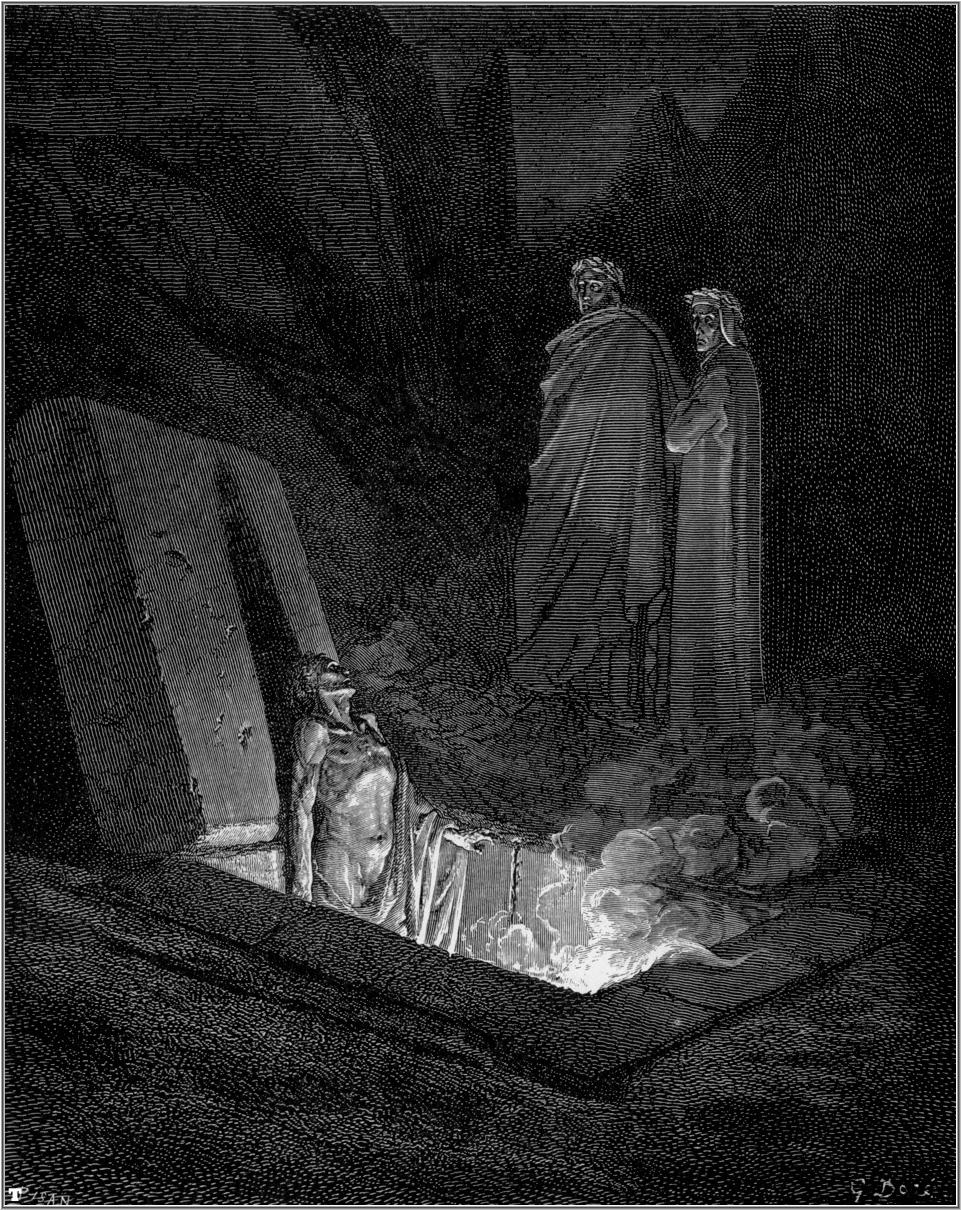
(PS: There is a manga on Dante's Divine Comedy. Has anyone read it? Is it good?)
And, in case you missed this, this is how lost they are...the lost generation. They make bad good and good bad.
http://www.telegraph.co.uk/culture/culturenews/9140869/Dantes-Divine-Comedy-offensive-and-should-be-banned.html
More here and follow the tags at the bottom...
http://supertradmum-etheldredasplace.blogspot.com/2014/06/death-of-civilization.html
and here
Friday, 14 February 2014
Another Lost Generation

However, in Europe, those who were in their twenties in the 1920s seemed to have been characterized by the trauma of being young in the years of the war, and not having the greatest of role models, as so many of the best and the brightest had been killed in WWI.
We are now seeing a second "Lost Generation". But, which generation is the lost one? Some people, including myself, see more hope in the individualism of the Millenials than the over-conforming people of Gen-X.
But, with regard to religion, the Gen-Xers are a "mixed bag" of those who go to church simply because it is still the thing to do, and those who are completely secularized. Gen-Xers in America are those born from 1965-1980. In America, the Baby Boomer cut off in 1965, but in Europe, as people after WWII delayed marriage, it is considered a bit later.

 Roughly,
25-30 years is a generation. But, this is not merely based on age, but
on a shared culture, and as the culture changes more quickly, so will
the generational years be shortened.
Roughly,
25-30 years is a generation. But, this is not merely based on age, but
on a shared culture, and as the culture changes more quickly, so will
the generational years be shortened. The Millenials are those born after 1980, or from 1981.
A lost generation is one which lacks purpose because of being traumatized by war. The Baby Boomers, on the whole, are a positive, optimistic group who were highly successful, living in a time when education was still at a higher level, and where competition was considered a good. No one was afraid to speak of leadership training, for example, which is now a dirty phrase among the politically correct crowd.
The Gen-Xers have had focus as well but on the things of this world-money and status and this generation have been seen as much more conformist than the Baby Boomers. In America, the great symbol of the Gen-Xers was the SUV. Kids in my son's generation grew up watching DVDs and eating on the way to and from school in the family SUV.
This is the techno generation....and they are more introverted and loners.
But, the Millenials are not only more individualistic, they are the new lost generation.

They have not been traumatized by war, but by complete chaos in the world. They have been traumatized by watching wars and terrorism, violence and paganism on TV and in movies. They are surrounded by anti-heroes.
And, there is one huge reason for this. They were not "parented". Too many Gen-Xers wanted to be friends with their children, to the point of letting them call them by their first names. The Millenials have not been formed at all in the virtues, except for the few.
"Here are Paula and Sam, my parents, " is something I began to hear in the generation who were never disciplined, never "grounded", whose parents just "talked" to them as discipline was without consequences.
I saw the huge change as I had stopped college teaching in 1986, and stopped working with youth as a chaplain in 1987 to get married and be a stay-at-home mom in 1988. When I returned to the world of academia, in 1997, I was shocked at the change.
For the first time, I met youth who had never been disciplined, and never been inside a church. I was teaching in a Catholic high school, before going back to college teaching, and quickly saw the rot of the lack of parenting.
This is also the generation whose parents have never taught them any moral framework, and who have never learned to share. Why share when there are only two kids in the family?
The new lost generation is not inclined to religion or, ironically, are more religious than their parents. So, the extremes are more clearly seen in their groupings.
They are lost because they are beginning to perceive that they have no futures economically, and many have to put off marriage and having families because they are out of work. According to a Pew Research Document, 16% of the American Millenials of working age in 2013 were living in poverty, compared to 8% of the first wave of Baby Boomers.
Twice as many.....
We are losing our children or grandchildren to the greatest age of neo-paganism the world has ever seen. A post-Christian world is worse than a pre-Christian one, and parents who refused to form their children with religion and morals have created this lost generation. The rise of the occult in this generation is shocking and a direct result of the laissez faire attitude of parents.
It will be the job of those religious Millenials to bring some of their own generation into the Church, as few listened to anyone else. The peer group is all. The lost generation continue the heritage of "peter pans" and "predators" instead of "protectors".
But, sadly, the movement of converts will not make much of a difference to numbers, as the older generations die off and the new ones do not take their place in the pews. Up to one-third of this generation have been killed in abortion.
The new lost generation have lost their souls. Pray that these young men and women are open to God's call and grace, given to all despite the failings of their parents.


Horrible News SCANDAL
http://www.churchmilitant.tv/fullpreview/?vidID=ciax-2014-09-03
Hope you can open this, or look on Youtube tomorrow. Do you think God will stand by in silence?
BREAKING: NYC St. Patrick's Day Parade Goes Gay - Dolan Cheers!
A stunning announcement out of NYC today. The oldest, largest and longest running parade in the country has gone gay. The annual St. Patrick's Day Parade will now allow open homosexuals to march together in the parade - and Cardinal Dolan will head the March as Grand Marshal.
Hope you can open this, or look on Youtube tomorrow. Do you think God will stand by in silence?
BREAKING: NYC St. Patrick's Day Parade Goes Gay - Dolan Cheers!
A stunning announcement out of NYC today. The oldest, largest and longest running parade in the country has gone gay. The annual St. Patrick's Day Parade will now allow open homosexuals to march together in the parade - and Cardinal Dolan will head the March as Grand Marshal.
Sad News two

PEORIA — Efforts to canonize Archbishop Fulton Sheen have been suspended indefinitely, the Catholic Diocese of Peoria announced Wednesday afternoon.
In a statement, the diocese said that the process leading to beatification and canonization was being halted, despite having been moving smoothly up until now.
In fact, expectations were for a beatification ceremony as soon as next year, following only a vote by the College of Cardinals and approval by Pope Francis after a 12-year-long effort by the Archbishop Fulton J. Sheen Foundation headed by Bishop Daniel Jenky.
However, apparently the Archdiocese of New York denied Jenky’s request to move Sheen’s remains to Peoria for the process of official inspection and to take first class relics from the remains.
“After further discussion with Rome, it was decided that the Sheen cause would now have to be relegated to the Congregation’s historic archive,” the diocese said in a statement thanking supporters for the donations of time and money they have made to the cause.
The statement also notes that Jenky had been “personally assured” repeatedly that the transfer of Sheen’s remains would take place, and that the change of mind only occurred after the canonization effort “had reached a significant stage.”
Cautioning that similar efforts have taken decades or centuries, Jenky urged in the statement that supporters should “continue their prayers that God’s will be made manifest.”
The Cancellation of the Sheen sainthood process by Journal Star
Sad News one
- Sad News, and apologies for the spacing problems. Net problems early this morning.
NEWS RELEASE The Diocese of Peoria, Illinois Wednesday, September 3, 2014Sheen Cause Suspended, Call for PrayerIt is with immense sadness that the Most Reverend Daniel R. Jenky, CSC, Bishop of Peoria and President of the Archbishop Fulton J. Sheen Foundation, announced today that the Cause for Sheen’s beatification and canonization has for the foreseeable future been suspended. The process to verify a possible miracle attributed to Sheen had been going extremely well, and only awaited a vote of the Cardinals and the approval of the Holy Father. There was every indication that a possible date for beatification in Peoria would have been scheduled for as early as the coming year. The Holy See expected that the remains of Venerable Sheen would be moved to Peoria where official inspection would be made and first class relics be taken. Subsequently, the Archdiocese of New York denied Bishop Jenky’s request to move the body to Peoria. After further discussion with Rome, it was decided that the Sheen Cause would now have to be relegated to the Congregation’s historic archive. Countless supporters especially from the local church in Central Illinois have given their time, treasure and talent for this good work with the clear understanding that the body of Venerable Sheen would return to the Diocese. Bishop Jenky was personally assured on several occasions by the Archdiocese of New York that the transfer of the body would take place at the appropriate time. New York’s change of mind took place as the work on behalf of the Cause had reached a significant stage. Bishop Jenky is what is technically called the “actor” of the Sheen Cause. The Diocese of Peoria and the Sheen Foundation have prayed and labored for this good work for the last twelve years. The Bishop is heartbroken not only for his flock in Peoria but also for the many supporters of the Sheen Cause from throughout the world who have so generously supported Peoria’s efforts. It should be noted, however, that saints are always made by God not by man. Efforts for many causes have sometimes taken decades or even centuries. Bishop Jenky urges that those who support the Sheen Cause continue their prayers that God’s will be made manifest. No further comment will be released at this time.
Catholic Diocese of PeoriaSpalding Pastoral Center419
Free Will 101 Part Four
I cannot possibly summarize the sections in Ripperger on free will, but I want to share a bit from the section on choosing evil.
The will normally chooses what is perceived as a good. But, what about people who make evil choices? Daily, we see people choosing to be violent, crass, gross, insensitive, morally evil, and they are choosing such sins.
As Ripperger points out, "The definition of love is 'willing the good of another...'"
When we will, we make an act of love.
Some people accept the evil in order to get a good. Evil, notes Ripperger, becomes part of the will if the person accepts evil as part of the willing. He adds, "People who choose evil are not OK."
The next bit is really interesting. "The second aspect of this issue is that the intellect is forced to act contrary to its very nature." The intellect knows the difference between good and evil. Therefore, if one acts against one's intellect, one is being less than human; in fact, one is being irrational.
To pursue evil is irrational, which is why sin can lead to mental illness.
Actual sin, as Father notes, is a sign that man is "not functioning according to the natural state in which he was intended to thrive."
Sin is not normal, as the world wants to make us believe. It is sub-normal.
I cannot recommend Father Ripperger's book enough. If any reader is in psychology or planning on making that a career, reading this book is a must.
The will normally chooses what is perceived as a good. But, what about people who make evil choices? Daily, we see people choosing to be violent, crass, gross, insensitive, morally evil, and they are choosing such sins.
As Ripperger points out, "The definition of love is 'willing the good of another...'"
When we will, we make an act of love.
Some people accept the evil in order to get a good. Evil, notes Ripperger, becomes part of the will if the person accepts evil as part of the willing. He adds, "People who choose evil are not OK."
The next bit is really interesting. "The second aspect of this issue is that the intellect is forced to act contrary to its very nature." The intellect knows the difference between good and evil. Therefore, if one acts against one's intellect, one is being less than human; in fact, one is being irrational.
To pursue evil is irrational, which is why sin can lead to mental illness.
Actual sin, as Father notes, is a sign that man is "not functioning according to the natural state in which he was intended to thrive."
Sin is not normal, as the world wants to make us believe. It is sub-normal.
I cannot recommend Father Ripperger's book enough. If any reader is in psychology or planning on making that a career, reading this book is a must.
Free Will 101 Part Three
I really see a huge difference in younger people regarding free will. So many simply do not believe in it.
Personally, I think the dysfunctional family has caused the younger generations to think they have no control over their choices.
I am repeating this list as it seems to me that the issue of having a free will must be addressed in order to break through the false idea that we are merely thrown about by passions.
More again later.
Personally, I think the dysfunctional family has caused the younger generations to think they have no control over their choices.
I am repeating this list as it seems to me that the issue of having a free will must be addressed in order to break through the false idea that we are merely thrown about by passions.
More again later.
Monday, 18 August 2014
More on Free Will from This Blog:Perfection Series III
13 Feb 2014
http://supertradmum-etheldredasplace.blogspot.com/2014/02/comments-interesting-do-you-have-free.html.
In order to have free will, people must have a center of their being
which is independent. Mortal sin makes us thralls, ...
04 Feb 2014
We
are at the point where technology is creating the future not predicting
the future. Someone said today that free will is gone in most people in
the States, and possibly in the EU. Think about
this...................who has free will?
21 Aug 2013
God
gave us free will, which sets us apart from the animals, and is part of
how we are made in His Image and Likeness. We are called, especially
those of us who are baptised, to know, to love, to serve God in this
world and to ...
23 May 2013
The
Evil of Relativism-the denial of free will and hell. Posted by
Supertradmum. I cannot believe this. I am astounded. A religious person,
in a habit, said that there was no difference between good and evil in a
person.
http://supertradmum-etheldredasplace.blogspot.com
07 Apr 2013
One
of the themes of this blog has been the interaction of grace and free
will. Thankfully, we have a long tradition of the writings of the
Doctors of the Church and others on this subject. The reason I bring it
up again is that there ...
09 Sep 2013
Posted
by Supertradmum. Concluding this little three part series on the sin of
presumption, I want to stress that this sin involves not only pride,
but the denial of free will, reason, and revelation. Presumption also
denies natural ...
24 Jan 2013
Though
the fact may surprise some who frame the debate in terms of divine
sovereignty, it must be stated that Augustine is not an enemy of the
free will. In fact, Augustine is vehement in his defense of free will on
occasion.
22 Jul 2014
(2)
God wills all men to be saved and no on to perish...nor after the fall
of the first man is it His will forcibly to deprive man of free will.
(3) That those, however, who are walking in the path of righteousness in
their innocence, He ...
http://supertradmum-etheldredasplace.blogspot.com/
13 Apr 2013
We
have free will to repent, change, accept grace and move into the
purgation or perfection stage. And, if a habit of rebellion and
stubborness persists, one loses the ability to discern. Canisius was
writing at a time when ...
22 Jul 2014
The
Church has always held up the primacy of free will in man to choose.
That God permits evil is a mystery. Here is a quotation from the Council
of Quierzy: "Our will, aided by prevenient grace and concomitant is
free to do ...
http://supertradmum-etheldredasplace.blogspot.com/
12 May 2012
It
is, basically, a giving up of our freedoms and responsibilities,
especially with regard to free will. Adults who do not want to grow up,
those stuck in the Peter Pan Syndrome, fall under this false belief
system and avoid real ...
16 Jul 2013
Supertradmum
said... Raptor, I am sorry for all that pain-but Jesus and God did not
make those people act that way. We all have freedom, free will and
sadly, many people abuse it. Jesus will not step on our free will, like
some ...
18 Mar 2014
God
has a perfect will and plan for us and a permissive will, which allows
evil things to happen. This permissive will forms the mystery of
suffering and the allowance of evil, from the free choices of men and
women. However ...
16 Jan 2014
The
first is the denial of free will. People chose to make bad choices
daily. There is a growing number of Catholics on twitter, in blogs and
in daily speech who reveal that they do not understand two things about
free will.
Free Will 101 Part Two
The CCC has an excellent little section on our freedom as human beings. This teaching on freedom has been misunderstood and taught incorrectly.
A snippet and then, in the next post, commentary:
PART THREE
LIFE IN CHRIST
SECTION ONE
MAN'S VOCATION LIFE IN THE SPIRIT
CHAPTER ONE
THE DIGNITY OF THE HUMAN PERSON
ARTICLE 3
MAN'S FREEDOM
1730 God created man a rational being, conferring on him the dignity of a person who can initiate and control his own actions. "God willed that man should be 'left in the hand of his own counsel,' so that he might of his own accord seek his Creator and freely attain his full and blessed perfection by cleaving to him."26
1731 Freedom is the power, rooted in reason and will, to act or not to act, to do this or that, and so to perform deliberate actions on one's own responsibility. By free will one shapes one's own life. Human freedom is a force for growth and maturity in truth and goodness; it attains its perfection when directed toward God, our beatitude.
1732 As long as freedom has not bound itself definitively to its ultimate good which is God, there is the possibility of choosing between good and evil, and thus of growing in perfection or of failing and sinning. This freedom characterizes properly human acts. It is the basis of praise or blame, merit or reproach.
1733 The more one does what is good, the freer one becomes. There is no true freedom except in the service of what is good and just. The choice to disobey and do evil is an abuse of freedom and leads to "the slavery of sin."28
1734 Freedom makes man responsible for his acts to the extent that they are voluntary. Progress in virtue, knowledge of the good, and ascesis enhance the mastery of the will over its acts.
1735 Imputability and responsibility for an action can be diminished or even nullified by ignorance, inadvertence, duress, fear, habit, inordinate attachments, and other psychological or social factors.
1736 Every act directly willed is imputable to its author:
Thus the Lord asked Eve after the sin in the garden: "What is this that you have done?"29 He asked Cain the same question.30 The prophet Nathan questioned David in the same way after he committed adultery with the wife of Uriah and had him murdered.31
An action can be indirectly voluntary when it results from negligence regarding something one should have known or done: for example, an accident arising from ignorance of traffic laws.
1737 An effect can be tolerated without being willed by its agent; for instance, a mother's exhaustion from tending her sick child. A bad effect is not imputable if it was not willed either as an end or as a means of an action, e.g., a death a person incurs in aiding someone in danger. For a bad effect to be imputable it must be foreseeable and the agent must have the possibility of avoiding it, as in the case of manslaughter caused by a drunken driver.
1738 Freedom is exercised in relationships between human beings. Every human person, created in the image of God, has the natural right to be recognized as a free and responsible being. All owe to each other this duty of respect. The right to the exercise of freedom, especially in moral and religious matters, is an inalienable requirement of the dignity of the human person. This right must be recognized and protected by civil authority within the limits of the common good and public order.32
II. HUMAN FREEDOM IN THE ECONOMY OF SALVATION
1739 Freedom and sin. Man's freedom is limited and fallible. In fact, man failed. He freely sinned. By refusing God's plan of love, he deceived himself and became a slave to sin. This first alienation engendered a multitude of others. From its outset, human history attests the wretchedness and oppression born of the human heart in consequence of the abuse of freedom.
1740 Threats to freedom. The exercise of freedom does not imply a right to say or do everything. It is false to maintain that man, "the subject of this freedom," is "an individual who is fully self-sufficient and whose finality is the satisfaction of his own interests in the enjoyment of earthly goods."33 Moreover, the economic, social, political, and cultural conditions that are needed for a just exercise of freedom are too often disregarded or violated. Such situations of blindness and injustice injure the moral life and involve the strong as well as the weak in the temptation to sin against charity. By deviating from the moral law man violates his own freedom, becomes imprisoned within himself, disrupts neighborly fellowship, and rebels against divine truth.
1741 Liberation and salvation. By his glorious Cross Christ has won salvation for all men. He redeemed them from the sin that held them in bondage. "For freedom Christ has set us free."34 In him we have communion with the "truth that makes us free."35 The Holy Spirit has been given to us and, as the Apostle teaches, "Where the Spirit of the Lord is, there is freedom."36 Already we glory in the "liberty of the children of God."37
1742 Freedom and grace. The grace of Christ is not in the slightest way a rival of our freedom when this freedom accords with the sense of the true and the good that God has put in the human heart. On the contrary, as Christian experience attests especially in prayer, the more docile we are to the promptings of grace, the more we grow in inner freedom and confidence during trials, such as those we face in the pressures and constraints of the outer world. By the working of grace the Holy Spirit educates us in spiritual freedom in order to make us free collaborators in his work in the Church and in the world:
1743 "God willed that man should be left in the hand of his own counsel (cf. Sir 15:14), so that he might of his own accord seek his creator and freely attain his full and blessed perfection by cleaving to him" (GS 17 § 1).
1744 Freedom is the power to act or not to act, and so to perform deliberate acts of one's own. Freedom attains perfection in its acts when directed toward God, the sovereign Good.
1745 Freedom characterizes properly human acts. It makes the human being responsible for acts of which he is the voluntary agent. His deliberate acts properly belong to him.
1746 The imputability or responsibility for an action can be diminished or nullified by ignorance, duress, fear, and other psychological or social factors.
1747 The right to the exercise of freedom, especially in religious and moral matters, is an inalienable requirement of the dignity of man. But the exercise of freedom does not entail the putative right to say or do anything.
1748 "For freedom Christ has set us free" (Gal 5:1).
26 GS 17; Sir 15:14.
27 St. Irenaeus, Adv. haeres. 4,4,3:PG 7/1,983.
28 Cf. Rom 6:17.
29 Gen 3:13.
30 Cf. Gen 4:10.
31 Cf. 2 Sam 12:7-15.
32 Cf. DH 2 § 7.
33 CDF, instruction, Libertatis conscientia 13.
34 Gal 5:1.
35 Cf. Jn 8:32.
36 2 Cor 17.
37 Rom 8:21.
38 Roman Missal, 32nd Sunday, Opening Prayer: Omnipotens et misericors Deus, universa nobis adversantia propitiatus exclude, ut, mente et corpore pariter expediti, quæ tua sunt liberis mentibus exsequamu
A snippet and then, in the next post, commentary:
PART THREE
LIFE IN CHRIST
SECTION ONE
MAN'S VOCATION LIFE IN THE SPIRIT
CHAPTER ONE
THE DIGNITY OF THE HUMAN PERSON
ARTICLE 3
MAN'S FREEDOM
1730 God created man a rational being, conferring on him the dignity of a person who can initiate and control his own actions. "God willed that man should be 'left in the hand of his own counsel,' so that he might of his own accord seek his Creator and freely attain his full and blessed perfection by cleaving to him."26
- Man is rational and therefore like God; he is created with free will and is master over his acts.27
1731 Freedom is the power, rooted in reason and will, to act or not to act, to do this or that, and so to perform deliberate actions on one's own responsibility. By free will one shapes one's own life. Human freedom is a force for growth and maturity in truth and goodness; it attains its perfection when directed toward God, our beatitude.
1732 As long as freedom has not bound itself definitively to its ultimate good which is God, there is the possibility of choosing between good and evil, and thus of growing in perfection or of failing and sinning. This freedom characterizes properly human acts. It is the basis of praise or blame, merit or reproach.
1733 The more one does what is good, the freer one becomes. There is no true freedom except in the service of what is good and just. The choice to disobey and do evil is an abuse of freedom and leads to "the slavery of sin."28
1734 Freedom makes man responsible for his acts to the extent that they are voluntary. Progress in virtue, knowledge of the good, and ascesis enhance the mastery of the will over its acts.
1735 Imputability and responsibility for an action can be diminished or even nullified by ignorance, inadvertence, duress, fear, habit, inordinate attachments, and other psychological or social factors.
1736 Every act directly willed is imputable to its author:
Thus the Lord asked Eve after the sin in the garden: "What is this that you have done?"29 He asked Cain the same question.30 The prophet Nathan questioned David in the same way after he committed adultery with the wife of Uriah and had him murdered.31
An action can be indirectly voluntary when it results from negligence regarding something one should have known or done: for example, an accident arising from ignorance of traffic laws.
1737 An effect can be tolerated without being willed by its agent; for instance, a mother's exhaustion from tending her sick child. A bad effect is not imputable if it was not willed either as an end or as a means of an action, e.g., a death a person incurs in aiding someone in danger. For a bad effect to be imputable it must be foreseeable and the agent must have the possibility of avoiding it, as in the case of manslaughter caused by a drunken driver.
1738 Freedom is exercised in relationships between human beings. Every human person, created in the image of God, has the natural right to be recognized as a free and responsible being. All owe to each other this duty of respect. The right to the exercise of freedom, especially in moral and religious matters, is an inalienable requirement of the dignity of the human person. This right must be recognized and protected by civil authority within the limits of the common good and public order.32
II. HUMAN FREEDOM IN THE ECONOMY OF SALVATION
1739 Freedom and sin. Man's freedom is limited and fallible. In fact, man failed. He freely sinned. By refusing God's plan of love, he deceived himself and became a slave to sin. This first alienation engendered a multitude of others. From its outset, human history attests the wretchedness and oppression born of the human heart in consequence of the abuse of freedom.
1740 Threats to freedom. The exercise of freedom does not imply a right to say or do everything. It is false to maintain that man, "the subject of this freedom," is "an individual who is fully self-sufficient and whose finality is the satisfaction of his own interests in the enjoyment of earthly goods."33 Moreover, the economic, social, political, and cultural conditions that are needed for a just exercise of freedom are too often disregarded or violated. Such situations of blindness and injustice injure the moral life and involve the strong as well as the weak in the temptation to sin against charity. By deviating from the moral law man violates his own freedom, becomes imprisoned within himself, disrupts neighborly fellowship, and rebels against divine truth.
1741 Liberation and salvation. By his glorious Cross Christ has won salvation for all men. He redeemed them from the sin that held them in bondage. "For freedom Christ has set us free."34 In him we have communion with the "truth that makes us free."35 The Holy Spirit has been given to us and, as the Apostle teaches, "Where the Spirit of the Lord is, there is freedom."36 Already we glory in the "liberty of the children of God."37
1742 Freedom and grace. The grace of Christ is not in the slightest way a rival of our freedom when this freedom accords with the sense of the true and the good that God has put in the human heart. On the contrary, as Christian experience attests especially in prayer, the more docile we are to the promptings of grace, the more we grow in inner freedom and confidence during trials, such as those we face in the pressures and constraints of the outer world. By the working of grace the Holy Spirit educates us in spiritual freedom in order to make us free collaborators in his work in the Church and in the world:
- Almighty and merciful God,
in your goodness take away from us all that is harmful,
so that, made ready both in mind and body,
we may freely accomplish your will.38
1743 "God willed that man should be left in the hand of his own counsel (cf. Sir 15:14), so that he might of his own accord seek his creator and freely attain his full and blessed perfection by cleaving to him" (GS 17 § 1).
1744 Freedom is the power to act or not to act, and so to perform deliberate acts of one's own. Freedom attains perfection in its acts when directed toward God, the sovereign Good.
1745 Freedom characterizes properly human acts. It makes the human being responsible for acts of which he is the voluntary agent. His deliberate acts properly belong to him.
1746 The imputability or responsibility for an action can be diminished or nullified by ignorance, duress, fear, and other psychological or social factors.
1747 The right to the exercise of freedom, especially in religious and moral matters, is an inalienable requirement of the dignity of man. But the exercise of freedom does not entail the putative right to say or do anything.
1748 "For freedom Christ has set us free" (Gal 5:1).
26 GS 17; Sir 15:14.
27 St. Irenaeus, Adv. haeres. 4,4,3:PG 7/1,983.
28 Cf. Rom 6:17.
29 Gen 3:13.
30 Cf. Gen 4:10.
31 Cf. 2 Sam 12:7-15.
32 Cf. DH 2 § 7.
33 CDF, instruction, Libertatis conscientia 13.
34 Gal 5:1.
35 Cf. Jn 8:32.
36 2 Cor 17.
37 Rom 8:21.
38 Roman Missal, 32nd Sunday, Opening Prayer: Omnipotens et misericors Deus, universa nobis adversantia propitiatus exclude, ut, mente et corpore pariter expediti, quæ tua sunt liberis mentibus exsequamu
Free Will 101 Part One
I am beginning to think that the last two generations have no idea what free will exactly is.
The society and cultures of the West want to blame parents, circumstances of life, financial recessions, even holidays for people making bad decisions.
I am making my way through Fr, Chad Ripperger's major book, Introduction to the Science of Mental Health.
Two of Fr. Ripperger's shattering ideas, that is surprising for modern people, which are so obviously true one must assent, is that modern psychology fails because most psychologists ignore the soul.
Without addressing the soul, a person is only being helped less than half-way. The soul forms the body and informs the mind.
Without helping the soul be healthy, that is, in grace and not in sin, the psychologist will fail in helping a person out of mental illness.
The second main point in the book is that much mental illness is caused by sin.
That Fr. Ripperger writes about free will in context of who humans are given this ability to choose good and evil by the fact that they are human.
The GenXers and Millennials have a problem. They want to continually talk away sin by blaming pyschological reasons, the lack of proper nurturing, and a huge set of circumstance as causing sin.
Choice causes sin.
Many Christians today live in the victim mode. All evil has happened to them. They cannot possibly choose evil.
But, they have and they do.
I would recommend Father Ripperger's book to anyone in any ministry under the age of 70. The denial of sin in Western culture has obviously caused the decadence of civilizations, and some, if not most, mental illness.
Free will can be burdened, but not taken away. Free will can be bent, but not destroyed, except in some extraordinary situations.
Those who have had their wills destroyed can regain mental health and a healthy will, through counseling and prayer.
But to deny that humans have free will is heresy. Both secularism, which denies the existence of the sacred and the spiritual, (also called materialism, and the opposite, Jansenism, deny free will.
Those who keep making excuses for themselves and others, denying that they have the power to turn away from temptation, may face hell.
Does a person caught in habitual mortal sin need help? Yes, but to deny the part of the will in those choices only makes the person more depressed and even despondent.
I hate this emphasis on the victim mentality, which denies personal responsibility for sin.
to be continued...
The society and cultures of the West want to blame parents, circumstances of life, financial recessions, even holidays for people making bad decisions.
I am making my way through Fr, Chad Ripperger's major book, Introduction to the Science of Mental Health.
Two of Fr. Ripperger's shattering ideas, that is surprising for modern people, which are so obviously true one must assent, is that modern psychology fails because most psychologists ignore the soul.
Without addressing the soul, a person is only being helped less than half-way. The soul forms the body and informs the mind.
Without helping the soul be healthy, that is, in grace and not in sin, the psychologist will fail in helping a person out of mental illness.
The second main point in the book is that much mental illness is caused by sin.
That Fr. Ripperger writes about free will in context of who humans are given this ability to choose good and evil by the fact that they are human.
The GenXers and Millennials have a problem. They want to continually talk away sin by blaming pyschological reasons, the lack of proper nurturing, and a huge set of circumstance as causing sin.
Choice causes sin.
Many Christians today live in the victim mode. All evil has happened to them. They cannot possibly choose evil.
But, they have and they do.
I would recommend Father Ripperger's book to anyone in any ministry under the age of 70. The denial of sin in Western culture has obviously caused the decadence of civilizations, and some, if not most, mental illness.
Free will can be burdened, but not taken away. Free will can be bent, but not destroyed, except in some extraordinary situations.
Those who have had their wills destroyed can regain mental health and a healthy will, through counseling and prayer.
But to deny that humans have free will is heresy. Both secularism, which denies the existence of the sacred and the spiritual, (also called materialism, and the opposite, Jansenism, deny free will.
Those who keep making excuses for themselves and others, denying that they have the power to turn away from temptation, may face hell.
Does a person caught in habitual mortal sin need help? Yes, but to deny the part of the will in those choices only makes the person more depressed and even despondent.
I hate this emphasis on the victim mentality, which denies personal responsibility for sin.
to be continued...
Wednesday, 3 September 2014
Heads Up from Mr. Voris on A New Book
http://www.amazon.com/Remaining-Truth-Christ-Marriage-Communion/dp/1586179950/ref=as_sl_pc_qf_sp_asin_til?tag=whatdoesthepr-20&linkCode=w00&linkId=EKQKG4EUOJGKTR3K&creativeASIN=1586179950
If someone would like to send this to a certain sem, STM would be mighty happy.

If someone would like to send this to a certain sem, STM would be mighty happy.
It shall be more tolerable for the land of Sodom and Gomorrha in the day of judgment,

Believe it or not, Christ did not expect His apostles, disciples, or us to beat our heads against a brick wall when evangelizing. This may come as a surprise to some of my readers, but even though we are called to evangelize by our baptismal vows, God understands the hearts and minds of people.
Not all people respond to the Good News. I was speaking to a dear old lady this morning from Church. She talked about how in the old days, over 100 years ago, when her ancestors were the first generation born here, that most people fell away from, as she said it, "being Church-going people".
In other words, after their parents had come from Ireland or France, or England, the next generations fell away. Some, who were Episcopalians, converted when they married Catholics, but the Faith was not strong, and some slid back.
There are two main points in the passage from Luke I want to emphasize.
One, Christ sent his disciples out in TWOS. Individual evangelization is too hard, and does not bear the fruit a team can muster.
When I worked as a college "lay" minister years ago, in three colleges and in the student "parish", I worked with a team of four. Four of us split up twelve colleges and universities, (this was in London), and we each went individually into three. It was hard work. But, working mostly with the other three was a great comfort and joy. We encouraged each others' gifts.
I worked in the Royal College of Art, Chelsea Art College, and Imperial College of Science, Technology, and Medicine. I had to create my own ways of evangelizing.
After three months, it was clear that no one at Chelsea was interested in either being a Catholic or in coming to Bible studies, Masses, events, or being catechists, etc.
So, I concentrated on the two other colleges and the student hostel, organizing Catholic women's groups, organizing a series on the sacraments with priests coming in to give excellent talks, retreats, Bible studies, etc.
Three vocations to the priesthood came out of those groups.
I dusted the dust off of my feet and went where people were responding and worked with those students. It was very rewarding. I loved every minute of the day.
Christ's point is that not all people will respond to His grace to be converted and follow Him. But, some do. The evangelist who wastes times trying with one group may be starving the other groups who needs his attention.
Sometimes, one just has to walk away.
This is not "un-Christian", as the words come from Our Lord Himself.

Three more points.
"for a testimony against them" means a warning. In other words, those people had the chance to change, to convert, to begin the journey to Christ and did not. Christ, therefore, removes His ministers as a warning that these people do not have the luxury not to respond.
Did some of those villages never convert? Did some regret not taking in Andrew, James, John and later, Paul?
Did some of those people go to hell for refusing to listen?
Sometimes we cannot "leave" as the unbelievers are in our families or at work. Then, our loving example may bring them around. We may have to suffer much.
Scott Hahn had to wait for his wife to change her heart about the Catholic Church. It was hard, but real men can take suffering. The love they shared got them through the hard times.
But, if we are around people, (another aspect to consider), who are dragging us down and attempting, even passively, to tear us away from our Faith, we must get away from those people. Some people are, sadly, malicious, and against religion. But, some people are just lazy, unwilling to change, bound up with the goods of this world.
But, here is the last point. When does one decide to leave a situation?
I have one friend who has been trying to convert her family for years. When she visits them, she is actually verbally abused.
This is not what we are supposed to do. We are not to put ourselves in abusive situations. This is a false martyrdom. If suffering comes to us, fine. We are not to seek it out.
So, when do we leave? We need to pray about this and pray that God will bring other people into the lives of these closed ones to open them up to hear the Good News.
Here some examples of leaving and dusting the dust off of one's sandals.
I tried to get some charismatics away from a New Age false healing "ministry" which was pretending to be Catholic. I spoke with these women six or seven times. Then, realizing they were not open, I walked away.
I tried to stop some good people from following The Warning. After three months, I walked away, as they were too enamored with the false writings to be open.
I tried help a man in a bad relationship with his wife-he was a close relative and an alcoholic. He had married an alcoholic. She refused to discuss this and so he did not address it. Now, they are divorced and both are still drinking. I tried for about two years. And, then I walked, as I had to move.
I go to those who want to deepen their Faith and learn to be holy. I want to teach those who are open.
For those who evangelize the pagans, which I do sometimes, I suggest much fasting and prayer.
Only the Holy Spirit can move hearts, and some people just do not want to be moved.
One more example.

If Adam had not sinned, we would not be in Original Sin at birth. The sin is the sin of Adam as he was Eve's authority. He did not want to "leave" her or "upset" her.
Too many men sin because of their wives and too many wives sin because of their husbands.
Maybe, sometimes, to save one's own soul, to be true to God, one must walk. Adam chose Eve over God.
I know one person who did this, as her husband refused to repent of several mortal sins. After some years, she divorced him as he was dragging her down. She got an annulment.
Pray, reflect, act. Remember, Jesus never ran after anyone. He called them. And, some He had to let go, like the Rich Young Man.
In the last two generations, there are many, many rich young men and young women. They do not want to enter the narrow gate. Too many young people have never had to work for anything, so working for their salvation and the salvation of others is not their "thing".

From Matthew 10:
[11] And into whatsoever city or town you shall enter, inquire who in it is worthy, and there abide till you go thence. [12] And when you come into the house, salute it, saying: Peace be to this house. [13] And if that house be worthy, your peace shall come upon it; but if it be not worthy, your peace shall return to you. [14] And whosoever shall not receive you, nor hear your words: going forth out of that house or city shake off the dust from your feet. [15] Amen I say to you, it shall be more tolerable for the land of Sodom and Gomorrha in the day of judgment, than for that city.
http://supertradmum-etheldredasplace.blogspot.com/2014/02/shaking-dust-off-your-feet.html
http://supertradmum-etheldredasplace.blogspot.com/2014/02/dusting-dust-off-your-feet.html
Hmmm; next may be twilight anesthesia
http://www.washingtonpost.com/opinions/dana-milbank-president-obamas-unnerving-happy-talk/2014/09/02/21223770-32c5-11e4-8f02-03c644b2d7d0_story.html
quotation from the article...
So we wouldn’t have fussed over Russia’s invasion of Ukraine if not for Facebook? Or worried about terrorists taking over much of Syria and Iraq if not for Twitter? This explanation, following Obama’s indiscreet admission Thursday that “we don’t have a strategy yet” for military action against the Islamic State, adds to the impression that Obama is disengaged.
quotation from the article...
So we wouldn’t have fussed over Russia’s invasion of Ukraine if not for Facebook? Or worried about terrorists taking over much of Syria and Iraq if not for Twitter? This explanation, following Obama’s indiscreet admission Thursday that “we don’t have a strategy yet” for military action against the Islamic State, adds to the impression that Obama is disengaged.
Mini-Series IV
I am forced to skip some points and the other "four wounds" at this time. I urge you, Readers, to consider that time is very short for the physical support of the Church in the West. We shall soon see fines, imprisonments of the clergy, and a general wearing down of the property of the Church across America and Europe.
Perhaps some of Blessed Antonio's ideas will urge you to consider the near future.
163. Finally, I would like to indicate briefly a seventh and last requirement, that is: "the Church should administer her temporalities watchfully and carefully." The Church has always insisted on this from those entrusted with her administration; her possessions belong to God and the poor, and any loss through negligence or inertia on the part of administrators would amount to sacrilege. It was disregard of this important requirement which gave governments greater opportunity for taking over churh administration and perpetuating the restrictions imposed on the Church and her temporalities.
164. It is true that the Church, persecuted and oppressed, has always been at odds with temporal authority, whether friendly or otherwise. She has also had the much greater burden of providing for the good of souls. There has never been sufficient time available for her to obtain perfect method in administration, nor a completely secure organic economy. If we consider what the Church has received during the centuries of her existence, and how much has been lost through lack of serious, careful administration, we can only imagine where the Church would be now if her temporalities had always been wisely administered. But the limited energy of the human spirit is never enough for two simultaneous undertakings, despite their mutual connection. The spiritual aims of the Church necessarily absorbed almost all her attention, and very little practical application could be devoted to the care of her temporalities until the more important part of her legislative discipline (directly concerned with the salvation of souls) could be finalised. Moreover, only experience could show the immense damage inflicted on the spiritual element in the Church by neglect of her material affairs.
Christ's example is sufficient to persuade me that at the beginning it is impossible, and not even fitting, to pay much attention to temporalities. I think he made do with an unfaithful administrator even amongst the apostles to show us that the rule of the spirit was to be the one object which did not permit of distraction, even at the risk of material failure. Let me conclude by pointing out that Pascal II's generous proposal of renouncing all fiefs is sufficient evidence for what I say. The great man had laid the axe to the root of the evil tree, but his own time was too soft to sustain such a remedy.
165. This book, begun in 1832 and completed a year later, lay forgotten for some years. The time did not seem ripe for publishing what had been written only as a release for my own sorrow at the sight of the afflictions endured by the church of God. But now (1846) that the invisible head of the Church has chosen as pope a person [Pius IX] who seems destined to renew our age and give the Church the impetus necessary for a new, glorious stage of unimaginable development, I have remembered these pages and willingly entrust them to friends who have shared my sorrow, and now look forward with me in hope.
Perhaps some of Blessed Antonio's ideas will urge you to consider the near future.
163. Finally, I would like to indicate briefly a seventh and last requirement, that is: "the Church should administer her temporalities watchfully and carefully." The Church has always insisted on this from those entrusted with her administration; her possessions belong to God and the poor, and any loss through negligence or inertia on the part of administrators would amount to sacrilege. It was disregard of this important requirement which gave governments greater opportunity for taking over churh administration and perpetuating the restrictions imposed on the Church and her temporalities.
164. It is true that the Church, persecuted and oppressed, has always been at odds with temporal authority, whether friendly or otherwise. She has also had the much greater burden of providing for the good of souls. There has never been sufficient time available for her to obtain perfect method in administration, nor a completely secure organic economy. If we consider what the Church has received during the centuries of her existence, and how much has been lost through lack of serious, careful administration, we can only imagine where the Church would be now if her temporalities had always been wisely administered. But the limited energy of the human spirit is never enough for two simultaneous undertakings, despite their mutual connection. The spiritual aims of the Church necessarily absorbed almost all her attention, and very little practical application could be devoted to the care of her temporalities until the more important part of her legislative discipline (directly concerned with the salvation of souls) could be finalised. Moreover, only experience could show the immense damage inflicted on the spiritual element in the Church by neglect of her material affairs.
Christ's example is sufficient to persuade me that at the beginning it is impossible, and not even fitting, to pay much attention to temporalities. I think he made do with an unfaithful administrator even amongst the apostles to show us that the rule of the spirit was to be the one object which did not permit of distraction, even at the risk of material failure. Let me conclude by pointing out that Pascal II's generous proposal of renouncing all fiefs is sufficient evidence for what I say. The great man had laid the axe to the root of the evil tree, but his own time was too soft to sustain such a remedy.
165. This book, begun in 1832 and completed a year later, lay forgotten for some years. The time did not seem ripe for publishing what had been written only as a release for my own sorrow at the sight of the afflictions endured by the church of God. But now (1846) that the invisible head of the Church has chosen as pope a person [Pius IX] who seems destined to renew our age and give the Church the impetus necessary for a new, glorious stage of unimaginable development, I have remembered these pages and willingly entrust them to friends who have shared my sorrow, and now look forward with me in hope.
Mini-Series III
The reason I am highlighting this Blessed's work on the Five Wounds of the Church is that unless the people of God return to the simplicity and charitable attitudes of the early Church, the remnant will be forced to destitution and displacement.
I have seen this coming in my own person, and in the Protestant ideas which too many Catholics have adopted.
If Catholics keep insisting that it is the job of the government to take care of the poor, and not their own, we shall see chaos very soon.
The governments will stop carrying for the poor and use other means to control the populations.
The freedom of the Church to help those in need has been usurped by governments, which can as easily change policies overnight to undermine the poor. Do not kid yourselves on this point. We have the example of Stalin in modern times, enforcing a famine to destroy an ethnic group.
Catholics who trust in politics rather than Divine Providence will wake up one day realizing they had chosen a false god.
There is a fema camp two hours from where I am today. The locals know about it. The military know about it as it is on military land. Who do you think these camps, many, many in the States, are going to hold? The rich? No. The secular? No.
My time for writing is severely limited by finances, but this fact is giving me the boldness to state that many Catholics will collude with evil in days to come.
54. The fourth requirement governing church temporalities and safeguarding the integrity of the clergy was that "ecclesiastical wealth used for pious, charitable purposes, should also be assigned to fixed, determined works to prevent arbitrariness and self-interest from interfering in disbursement of finances." As church riches grew and abuses increased, the Church intervened, although defects in administration were spasmodic and contained. Church resources were allotted to definite purposes according to a fourfold division: for the support of the bishop, the lower clergy, the poor, and the upkeep of church buildings and cult. The Councils of Agde, 506, and Orleans, 511, decreed this division on the basis of older canons. Gregory the Great recalls it in many of his letters (41). It is certain that the best remedy against the corruption accompanying riches was the establishment of laws regulating the precise uses to which they could be applied (42). Abuse is inevitable if the employment of great wealth is left to the arbitrary decision of the person to whom it is entrusted. The corruption and ruin of many monasteries has almost certainly to be attributed to the lack of a law definite enough to determine the principal uses of the great riches possessed by religious houses. As a result, abbots and other superiors controlling finances spent the income as they pleased.
155. But feudalism amongst ecclesiastics made this requirement impossible. Feudalism can be reduced in principle to an armed aristocracy whose interests, along with the interests of the local lords, demands the accumulation of wealth in the hands of the great families, that is, in very restricted circles. Worldly power depended upon this concentration of wealth, and consequently opposed its equitable distribution in brotherly love. Benefices were thus a necessary institution to assure the maintenance of the weakest elements in the clergy, who would have starved to death without some safeguard against the rapacity of the great lords, bishops included. Bishops no longer formed part of the people as in ancient days when episcopal ordination entailed the profession of poverty (however noble one's origins) and acceptance of a place amongst the poor; they were now members of a ruthless, dominant aristocracy. Henceforth, abuse became law. The Church's canons were either evaded by endless sophistry (43) or openly and violently broken. The fourfold division of church wealth, and the application of income for fixed purposes, became intolerable. The ancient rule sank without trace, along with its guiding spirit.
156. The fifth requirement safeguarding the Church from the danger of riches in the centuries before feudalism was "a generous spirit, prompt to give, slow to receive." The great rule fixed in human hearts was Christ's noble, astounding word: "It is more blessed to give than to receive" (44). This was the good news the Church brought to a world enslaved by selfishness; it was a light shining in all that the Church did and undertook. Bishops considered temporalities and their administration a burden, to be borne only from motives of charity (45). Laws making difficult the alienation of donated property were not yet in force; offerings were accepted reluctantly, and distributed freely. St. Ambrose refused donations and legacies if he knew that poor relatives of the donors would suffer as a result : non quaerit donum Deus de fame parentum... misericordia a domestico progredi debet pietatis officio (46) ["God does not look for offerings that leave relatives hungry... mercy must begin at home"]. The Church could do this because its spirit was unfettered, especially by the so-called protection exercised by secular rulers.
One effect of the restrictions forced upon the Church by this system was her inability to act with the splendid generosity so often shown by early bishops. I have already mentioned the ideas of St. Augustine in this respect. In a sermon preached to the people, the bishop of Hippo had to defend himself against the accusation that "bishop Augustune gives with total generosity, but takes nothing." What a glorious accusation! (47). As a result, so the complaint ran, the church of Hippo received no benefactions and no legacies. Possidius, in his life of Augustine, tells how the bishop restored property donated to the church by one of the wealthy townsmen who, despite having no further legal claim to the land, asked for it back on behalf of his son. Augustine returned it, and refusing a large sum which the man sent for the poor, reminded him that he was doing wrong.
Possidius also mentions Augustine's reaction to the envy of one of the lower clergy because of episcopal control of church finances (48). The bishop who, like all bishops of his time, spoke about everything to the people of God, referred to this in a sermon. He said that he would gladly have lived on collections from God's people rather than be burdened with responsibility for finances, which he was ready to cede to the people so that all God's servants and ministers might live by sharing at the altar as did the priests of the Old Testament. But the laypeople refused his offer absolutely (49).
157. St. John Chrysostom explained in a sermon to his people why the Church accepted fixed, regular donations rather than live, as it had done previously, on occasional collections from the faithful. The clergy were forced to do this not for themselves, but for the sake of the destitute affected by the lessening of charity amongst the faithful. "Your tightfistedness has brought the Church to this state. If things were done according to the laws reaching back to apostolic times, the Church's income would flow without fail and without fear of diminution from your good will. But you are all seeking treasure on earth now, and locking up your wealth in vaults, while the Church has to spend money on widows, virgins, travellers, captives, the handicapped and mutilated, and other needy persons. So how can the Church act otherwise?" (50).
I have seen this coming in my own person, and in the Protestant ideas which too many Catholics have adopted.
If Catholics keep insisting that it is the job of the government to take care of the poor, and not their own, we shall see chaos very soon.
The governments will stop carrying for the poor and use other means to control the populations.
The freedom of the Church to help those in need has been usurped by governments, which can as easily change policies overnight to undermine the poor. Do not kid yourselves on this point. We have the example of Stalin in modern times, enforcing a famine to destroy an ethnic group.
Catholics who trust in politics rather than Divine Providence will wake up one day realizing they had chosen a false god.
There is a fema camp two hours from where I am today. The locals know about it. The military know about it as it is on military land. Who do you think these camps, many, many in the States, are going to hold? The rich? No. The secular? No.
My time for writing is severely limited by finances, but this fact is giving me the boldness to state that many Catholics will collude with evil in days to come.
54. The fourth requirement governing church temporalities and safeguarding the integrity of the clergy was that "ecclesiastical wealth used for pious, charitable purposes, should also be assigned to fixed, determined works to prevent arbitrariness and self-interest from interfering in disbursement of finances." As church riches grew and abuses increased, the Church intervened, although defects in administration were spasmodic and contained. Church resources were allotted to definite purposes according to a fourfold division: for the support of the bishop, the lower clergy, the poor, and the upkeep of church buildings and cult. The Councils of Agde, 506, and Orleans, 511, decreed this division on the basis of older canons. Gregory the Great recalls it in many of his letters (41). It is certain that the best remedy against the corruption accompanying riches was the establishment of laws regulating the precise uses to which they could be applied (42). Abuse is inevitable if the employment of great wealth is left to the arbitrary decision of the person to whom it is entrusted. The corruption and ruin of many monasteries has almost certainly to be attributed to the lack of a law definite enough to determine the principal uses of the great riches possessed by religious houses. As a result, abbots and other superiors controlling finances spent the income as they pleased.
155. But feudalism amongst ecclesiastics made this requirement impossible. Feudalism can be reduced in principle to an armed aristocracy whose interests, along with the interests of the local lords, demands the accumulation of wealth in the hands of the great families, that is, in very restricted circles. Worldly power depended upon this concentration of wealth, and consequently opposed its equitable distribution in brotherly love. Benefices were thus a necessary institution to assure the maintenance of the weakest elements in the clergy, who would have starved to death without some safeguard against the rapacity of the great lords, bishops included. Bishops no longer formed part of the people as in ancient days when episcopal ordination entailed the profession of poverty (however noble one's origins) and acceptance of a place amongst the poor; they were now members of a ruthless, dominant aristocracy. Henceforth, abuse became law. The Church's canons were either evaded by endless sophistry (43) or openly and violently broken. The fourfold division of church wealth, and the application of income for fixed purposes, became intolerable. The ancient rule sank without trace, along with its guiding spirit.
156. The fifth requirement safeguarding the Church from the danger of riches in the centuries before feudalism was "a generous spirit, prompt to give, slow to receive." The great rule fixed in human hearts was Christ's noble, astounding word: "It is more blessed to give than to receive" (44). This was the good news the Church brought to a world enslaved by selfishness; it was a light shining in all that the Church did and undertook. Bishops considered temporalities and their administration a burden, to be borne only from motives of charity (45). Laws making difficult the alienation of donated property were not yet in force; offerings were accepted reluctantly, and distributed freely. St. Ambrose refused donations and legacies if he knew that poor relatives of the donors would suffer as a result : non quaerit donum Deus de fame parentum... misericordia a domestico progredi debet pietatis officio (46) ["God does not look for offerings that leave relatives hungry... mercy must begin at home"]. The Church could do this because its spirit was unfettered, especially by the so-called protection exercised by secular rulers.
One effect of the restrictions forced upon the Church by this system was her inability to act with the splendid generosity so often shown by early bishops. I have already mentioned the ideas of St. Augustine in this respect. In a sermon preached to the people, the bishop of Hippo had to defend himself against the accusation that "bishop Augustune gives with total generosity, but takes nothing." What a glorious accusation! (47). As a result, so the complaint ran, the church of Hippo received no benefactions and no legacies. Possidius, in his life of Augustine, tells how the bishop restored property donated to the church by one of the wealthy townsmen who, despite having no further legal claim to the land, asked for it back on behalf of his son. Augustine returned it, and refusing a large sum which the man sent for the poor, reminded him that he was doing wrong.
Possidius also mentions Augustine's reaction to the envy of one of the lower clergy because of episcopal control of church finances (48). The bishop who, like all bishops of his time, spoke about everything to the people of God, referred to this in a sermon. He said that he would gladly have lived on collections from God's people rather than be burdened with responsibility for finances, which he was ready to cede to the people so that all God's servants and ministers might live by sharing at the altar as did the priests of the Old Testament. But the laypeople refused his offer absolutely (49).
157. St. John Chrysostom explained in a sermon to his people why the Church accepted fixed, regular donations rather than live, as it had done previously, on occasional collections from the faithful. The clergy were forced to do this not for themselves, but for the sake of the destitute affected by the lessening of charity amongst the faithful. "Your tightfistedness has brought the Church to this state. If things were done according to the laws reaching back to apostolic times, the Church's income would flow without fail and without fear of diminution from your good will. But you are all seeking treasure on earth now, and locking up your wealth in vaults, while the Church has to spend money on widows, virgins, travellers, captives, the handicapped and mutilated, and other needy persons. So how can the Church act otherwise?" (50).
Subscribe to:
Posts (Atom)