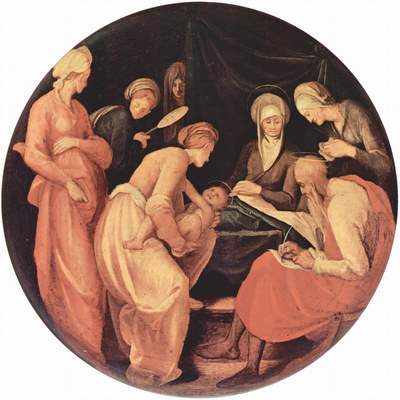
Please do not forget your guardian angels. They so much want
to be acknowledged and asked for help. That is why they exist-to watch over and
serve us, to help us get to heaven. Do you think of your angel? Your angel thinks of you.
Wednesday, 25 June 2014
The Two Brothers of Malta Part Eight
Posted by
Supertradmum
The day Frederico disbanded his temporary camp in order to
take his men to the defense of Mdina, a solitary horse slowly walked into the
camp, dirty, blood-stained, head down. This was Paulo’s Arabian. Frederico
easily read the signs of death and mourned his good servant. Not only was the
rider gone, but the leather satchel which contained messages from Frederico to
Vallette about the plans of the western flank was gone. Now, the enemy knew of
the plans to defend Mdina. Perhaps the Turks would change their minds about the
attacks.
The beautiful horse gently taken away and from that day,
treated as the god of the horses by the troops, which adopted it in the name of
the brave and faithful Paulo. For ten years, this horse accompanied the troops
in war and in peace, lovingly cared for in turns by most of the men.
Today, Frederico had to decide whether to stick with this
plan, now known to the enemy, or rebuild the tent camp. He chose to move on, as
planned. It was highly possible that the enemy would change their own plans,
knowing that up to 1,000 men would be crammed into Mdina and the surrounding
area. His own small unit was made up primarily by Spanish and soldiers from the
general Maltese people, whom he had trained himself. The Spaniards were
connected to the Order, either by religion or by family ties. Frederico’s men
proved to be the most loyal in the field, and the most deadly, as the farmers,
tradesmen, fishermen, and merchants fought for their own land, wives, children
and their beloved Catholic Faith.
What he did not know, because Paulo did not reach the
promontory for news, was that the great Turkish general, Turgut, once the scourge of Gozo,
had been shot by friendly fire, and lay dying. He would not see the shallow yet
costly victory at St. Elmo’s. Turgut died the same day as the fort fell.
Frederico did know that Vallette did not know all the
changes in the west. The nobleman made a bold decision to carry on without
sending another messenger at this time. From Mdina, he would send someone by a
more northern route to the eastern war.
He stood in the middle of the camp, now mostly packed in the
few wagons and on the horses. “We shall commence to Mdina, and immediately, I
shall ask the Bishop to pray a Mass for Paulo. Let us stop and remember his now.”
The men stood silently, each praying in his own way. They, most likely, thought
of their own possible deaths. Paulo’s body was never found, which grieved many
more so.
As Frederico and his men hurriedly moved north, Tomas
intended to visit both his regiments at St. Michaels’ and near the harbor at
Marsamxett, hoping to fight alongside
his men in either, or both places. To date, he had been robbed of glory and
honor. Again, he wondered how his lookouts did not see the Turkish fleet coming
south. Were there spies, or paid mercenaries among his own men who had sided
with the enemy? Had his men been betrayed by false reports, false sightings of
nothing? Tomas prided himself in knowing his men and could not imagine
quislings. Still, the entire success and ease of the landing of the Turkish
fleet in Marsaxlokk baffled his experienced sense. What he did not sense, was
that he would be involved in an extraordinary meeting in the camp. But, first,
he would visit St. Michaels’ Fort, partially built with his own money and
guarded by 500 of his own men, all from his relatives and the Order in Italy . The fort was held by about 800 men at this
point, soon to be joined by 400 more from the far northern estates.
Tomas raced his horse east, avoiding anyone he saw on the
way, and soon was on the road to Fort St. Michael. It was Midsummer in the
northern countries, June 23rd and Tomas could hear the bombardment
of Fort Elmo even from this distance. His shock
as a soldier of the ferocity of the cannons mixed with fear for the men at the
fort. However, his mind was on his two errands to encourage his own troops in
two places and he forced his heavy horse to go faster. What he had yet to learn
was that the Turks had decided to smash St. Elmo’s and wait on the attack on Mdina.
His men at the bay
of Masaxlokk had all died
for a cause, a plan which would be changed. His men died in vain, as the
leaders of the Turks fought over their own strategies.
Tomas could see smoke in the air towards the east and his
heart grew angry at the cruelty of the enemy. On this very day, the Turks captured St.
Elmo’s and Kızılahmedli
Mustafa responded to the great, overwhelming loss of his men with added
cruelty.
1,200
Maltese had stood against a much larger army, an army which lost 6,000 Turks
and up to 6,000 Janissaries from the beginning of June to this day. Only 1500 Janissaries,
his best troops, remained. He had other plans for them and had held them back
from this fray.
Mustafa
stood above the crumbled ramparts. His men picked through the rubble for
treasure, but could find none. Thankfully, some of the priests among the
Knights had taken the altar ware away secretly with the help of the people of
the area.
The
Pasha kicked stones in irritation. He had lost his bravest men, and realized
that this battle was too, too costly.
“Take
the dead men’s bodies, cut off their heads and make crucifixes. Then nail their
headless, infidel bodies to the crosses and send them the bay. If we cannot win
through arms, we shall win through fear.” His army carpenters got to work with
this grim task. Within the day, hundreds of crucifixes on which were impaled
the bodies of the mostly Knights of Malta forces were thrown into the sea,
where the waves took them up and sent them to the opposite shore, on the
promontory. Some women from the countryside were on the shores, far into the
Harbour and Mustafa could see them running to the corpses. A wail, like the
storms of the harsher seas, rose from the promontory, as mothers and sisters
knelt on the rocks and received the bodies of sons and brothers. Then, there
was a great silence.
Mustafa
turned to look across the Harbour. There, in the midst of the crucified dead, a
priest walked under a canopy with the Holy Eucharist in a glorious monstrance.
A small procession of Knights and acolytes followed. Another priest moved from
crucifix to crucifix, blessing the bodies of those who in death resembled
Christ.
The
Pasha sneered. “These infidels adore bread. How I hate this show. But, today, I
shall not waste any shot on this puppetry. We shall have our way in the future
on this superstitious island.” He turned and moved down the fallen battlements.
Walking across the ruins, his thoughts were on the possible error of the
decision to take this pile of rubble.
He
would have to change the strategic plans of taking over places, as now, he knew
his opponents were as brave and as fierce as his own men. Suddenly, he heard
cannons, and saw the cannon balls heading towards the rubble. What was Vallette
doing? He saw a ball land next to the feet of his body guard. Gruesome as it
was, a head of one of his own soldiers, one of those who had attacked the
mountain and the promontory, lay on the harsh stone pieces of fort. Another,
then another landed here, there, all over the ruined fort and into the camps of
the Turks.. Pasha smiled ruefully. de Vallette had a heart like his own, full
of steel and anger. The heads of the Janissaries who had been prisoners flew
into the fort, reminders that two could play the game of fear mongering. Pasha
walked away and disappeared from St. Elmo’s forever.
To be
continued….
The Two Brothers of Malta Part Seven
Posted by
Supertradmum
Tomas rode north to the Harbour from Marsaxlokk, having
secured his men there with enough arms to withstand at least a quarter of the
supposed 192 ships. About 700 men were
in base, in tents, with some rock and stone battlements. He also had men at
Marsamxett which was a real harbour and not merely a bay, in case the ships of
the Suleiman moved north. This was highly expected by Vallette, as noted, and
he was prepared as far north as St.
Paul ’s Bay, without endangering his army at Fort St . Elmo, so
he thought. The southern bay seemed an unlikely place for a landing, but the
avoidance of the winds and sandstorms could mean that no ships would come
around the western or far northern side of Gozo, as the Sahara storms blew
fiercely up through Sicily and even into Italy, where many in Rome took sick
this year because of the unusual length of the siroccos.
The winds circled around like dervishes, confusing those who
were caught up in the desert storms. Tomas, like his son fifty miles away,
covered his face with a loose, white collar around his tunic. His horses had
been trained to move as quickly as possible in the siroccos, and this horse, a
large black stallion, had no trouble withstanding the coming storms. The horse
was large and stocky, capable of holding a man in full armor, and a prize on
the island. Both Frederico and Tomas had brought horses from England ,
trained in the warfare of knights, at their own expense. These hefty animals
were unlike the smaller, faster stallions of the East, the famous Arabians,
which could run like the wind accosting Tomas’ face.
His own steed, called St. Tomas for its stubbornness and
strength, was one of twelve, all named after the apostles, except for Judas. The
twelfth was named Matthias. Today, Tomas rode St. Tomas, and he has given one
of his few, rare Arabians to Immanuel, who did not need to wear armor.
Immanuel’s horse, named St. Dimitri, was a sleek, white
beauty, the fastest on the island. It could race over the rocky terrain as if
it were a light breeze. Tomas loved this horse and gave it to his son for good
luck.
The armies of the Maltese would need more than luck. Their
numbers counted far short of those of the Turks. Tomas could see the ships
moving now into range of the forts. He could count at least seventy from his
view on a small hill close to the promontory. The ships had good wind and were
moving into range of Fort St. Elmo and the mountain, Sciberras. So, the men in
that Fort will be hit with the big guns from the mount, once it was taken, and
with the invading armies. Tomas spurred his horse. He had left the south bay to
ask Vallette in person what the plan was to defend Mdina, as well as keep the
enemy from landing anyway on the far northern coasts. A handful of farmers had
been armed, but most of the Knights had their men on the eastern coast. Tomas
feared that the landing parties in the south and west would find little
resistance.
From his small hill, Tomas then saw ships split from those
going into the Harbour to the north-Vallette was right, either in his
instincts, or through his spies on the continent and in the ancient capital of Constantinople . Marsamxett could be hit. However, what he
did not know was the confusion among the leaders of the enemy. Piyale Pasha
had fought with Kızılahmedli Mustafa Pasha as to where to anchor the fleet. Piyale
wanted to go to Marsamxett, which Vallette anticipated. But, Kizilahmedli
insisted on both taking Fort
Elmo first as well as
going south in order to invade Mdina. The ships at Marsaxlokk were intended to
destroy the holy city.
Tomas changed his own plans and pulled his horse back
towards the interior. He would go to the north and stand with his men there.
Half of his orders contained that duty, and now, he could see that a battle
would strike this quiet harbour. He grieved at the ready loss of his other men
at Marsaxlokk.
As he rode, Tomas saw a horseman approaching him from the
west. He recognized a servant of Frederico, Paulo. The man was Arabian himself,
a convert, and a brilliant horseman. He rode one of Frederico’s Arabian’s, a
coal black, small animal, with fire in its nostrils, Tomas thought.
“Sir Tomas, stop. A message from your brother. Here, in this
scroll.”
Tomas rode alongside Paulo, pulled up his horse and took the
scroll.
“Tomas, we see ships as far as off in the sea as Hagar Qim,
near the ruins. How they passed your men in Marsaxlokk, we do not know. But,
there is a fleet now settled in the bay which I hear you were to leave. At least one-third of the ships seem to be in
Marsaxlokk. We should have received word
from the watchers on the bay. They may be dead. Send some of your troops from
your reserve to us near Rabat .
We may be attacked there and I shall take my men into Mdina as soon as I can.”
Tomas mused on this information. How did his men not see the
ships move around to Marsaxlokk? One has a clear view of the sea from there.
Would the Suleiman have sent ships farther south in the sandy winds? He had
only left his men and the bay a few hours before. How could the ships have
landed so quickly? Was God on the side of the Knights?
He spoke quickly to Paulo. “Do you have a quill and ink? I
shall not give a verbal order.”
“Yes, Sir Tomas, I carry these and sheets always in this
pouch. Dictate and I shall write down what you desire.”
Tomas spoke hastily. “To Captain Filip of France at Fort Michael ,
my brother in arms, take my 500 men to Mdina. Marsaxlokk has been taken behind
my back. Act with haste. Ships have been seen on the western side. Tomas of St. John .”
Paulo wrapped up the sheets in leather and raced away, after saluting
Tomas. He rode so quickly that Tomas had to watch him disappear like a ghost.
Now, he decided to not to turn to the southern bay and perhaps face a useless
death, but felt in his gut he should go north. He desperately wanted to be with
Frederico, for some reason, as Tomas was not a sentimental man. He sensed in
his high sixth-sense, real danger for his brother. But, he had to go north to
help organize any attack either at Birgu or Marsamxett, so he spurred St. Tomas
on. He had to reach his men in the north. But, he hesitated. He wanted to help
Frederico, who he knew would move into Mdina.
Frederico had men stretched out at various high points on
the western shores. His tent city edged the cliffs on the western shores. He
had sent some of his men to Marsaxlokk. They watched the seventy ships, not
highly armed with large guns, but full of troops, as those on the hills could
see. So, a landing party was scheduled for this side. Perhaps Rabat and Mdina, the holy city, were to be
targets, most likely having to face land troops from Marsaxlokk. Frederico sat
in his tent looking at two maps, one of the terrain and one, a secret map with
codes, of his own army’s movements. Suddenly, a huge wind moved the tapestry
over his tent and in raced a person he did not expect to see, Immanuel.
“They have landed, Uncle, I have seen Turks creeping up the
rocky hills south of the ruins. They have guns. I was on my way to Father, but
raced back to you. I do not know where Father is.”
Frederico stared at the sunburnt face of Immanuel. He seemed
older, more confident than his years. “Have something to drink, Immanuel. I
have a letter from your Father that he is sending reinforcements from St.
Michael’s Fort. This tactic surprises all. And, we have word from Vallette that
St. Elmo’s is even now under fire.”
“Yes, the large guns are on the galleons in the Harbour. The
Turks do not even have to land, but merely sail up and use their artillery.
However, I expect landings beneath the fort as well. I they take the mountain,
they can use heavy guns from there. I think this will happen”
“So do I. God help those men. There cannot be more than
3,000 on the mountain, the promontory and in the Fort, all together. Immanuel,
can you do one more thing for me?”
The young man sat down, “Yes, of course. Anything.”
“Run like the wind, the wind which moves your stallion, and
warn Rabat and
Mdina. The people must be warned.”
“Of course, Uncle.” Frederico took a weapon from a carved
case behind him. “Take my best gun. You know how to use this, I know. You were
always my best pupil.”
“Thank you., Uncle, but I hope I do not have to use it. God
bless you. “ And, like the young man he was, Immanuel was on his horse and gone
before Frederico reached the opening of his tent.
“God be with you, Immanuel.”
The sunset in Malta fell quickly, as usual,
forcing the land into darkness without the long twilights of more northern
countries. Immanuel travelled in the night, the stars above his head guiding
him to the heights of Rabat
and Mdina. He raced up the hills and onto the bridge into the city of monks and
the Cathedral. The guard at the gate recognized him.
“You come here with fire in your eyes, Immanuel. Trouble?”
“We have Turks on this side, land troops, armed, about 2,000
at least, as there are many ships in Marsaxlokk, already anchored.” The guard
blanched hearing the number, but his white face was hidden in the darkness.
“This is, indeed, serious. Come in. We must warn all the inhabitants and the
surrounding farms.”
Mdina had two signs of warning for those in the countryside.
One was a flag, which could not be seen at night, with a Maltese Cross marked
with a raven. The other sign involved the ringing of the great bells of the
Cathedral. The time now demanded the use
of the bells. Within minutes, the peel rose out of the walls of Mdina and was
hurled across the lands surrounding the Cathedral, like a death shroud. Fires
could be seen being lit across the land, fires like a long dragon, winding its
way through the now-harvested fields and fruitless orchards. The soldiers
within the walls moved into position of warfare and the siege began in the
west.
Immanuel notified, Mathurin
Romegas, who was temporarily in Mdina before going back to Fort Elmo , but the
famous Knight wanted Immanuel to stay. However, the young man insisted
on moving farther east, across country, to Marsamxett. He wanted to survey the
entire scene of the battle for Malta ,
and spread the word of an attack from the west as well as the east. As Immanuel was not a Knight under orders,
Romegas could let his go his own way, within reason. Leaving at once, Immanuel
spurred his horse onward, after giving it water and only a few oats. He would
stop in a small farmhouse with which he was familiar on the way to the
harbour. This small, humble house of two
rooms sat half-way between Mdina and Marsamxett, and in it dwelt his own
mother, Isabella, a woman long forgotten by Tomas. Years ago, Immanuel had
discovered this woman and identified himself as her son. The two secretly saw
each other at least twice a year. Immanuel grew to love the quiet lady of a
strange northern race, once, obviously, a great beauty, but now a woman
bedridden with a wasting sickness. She looked older than her forty years and
her blond hair hung limp and fading.
Immanuel would rest his horse in her garden and wait for
pre-dawn. Both he and his Arabian needed rest and food. A woman who tended
Isabella met him at the door, and escorted both man and horse into a very small
walled garden in the back of the house. The house was surrounded by trees and a
short wall made of ancient stones. The house rested on a crest of a hill, from
where one could just see the sea, like a blue line, far away.
Isabella’s maid, paid for by Immanuel, as was all her keep,
took him into the kitchen for some late dinner, and then she took oats out to
the horse, mixed with a strange grass. Immanuel understood that the maid knew
the way of the Arabs with their horses.
Interesting. Immanuel wondered where Rebecca had learned the
art of caring for horses. But, he could not think of this now.
Isabella’s voice, weak and soft, called from the back room.
One window faced the northeast and the moon shown into the small bedroom.
Isabella held out her hands for Immanuel. “There is danger. I can feel it. I
heard the bells from Mdina and now, with you here at this hour, I know it is
the Turks. We have begged Our Lady for protection.”
“Mother, do not be afraid. If necessary, I shall carry you
away from here into Fort
Angelo . But, for now,
stay, as I cannot believe that the land troops will come this far immediately.
I can send for you and Rebecca as soon as I finished my journey.”
Isabella looked at her son with her large, blue eyes.
“Immanuel, I do not fear death, or even suffering. But, Rebecca, being young
and comely, must leave. They may take her.”
Immanuel stood up. “No Maltese woman will be taken. None. We
men shall all die first.”
Isabella smiled in the darkness. She was so proud of her
beautiful son. She was grateful to God that he resembled her, and, indeed, that
he looked like her father so long dead and gone in a far away country in
northern Europe . She had been a rebellious
child and run away from her parents when asked to marry someone she did not
love. She ran and ran and ran until she found a way to a boat from France to Sicily
and then to Malta .
Then, she stopped running, and became a lace-maker for a living, learning the
trade from a kind woman who took her in and taught her not only lace, but the
language of Malta .
Isabella grew to be a great beauty, unusual with her blond hair, tall frame,
and sea blue eyes. Tomas found her and kept her until the son was born, when he
took Immanuel and left Isabella forever. But, unlike the father, the son had a
heart, the heart of a Christian son, and he searched for her until he found her.
Immanuel supported her since he was thirteen years of age. At that time, she
was only 28, and still lovely, but illness came like a thief in the night and
stole her health and beauty all at once. Isabella accepted the wasting sickness
willingly, believing it was punishment for her former life of sin. She had been
forced to be in bed for twelve years.
“I shall send a servant and perhaps another will come within
the day. Rebecca and you shall be taken into the fort, and there stay until the
danger is over.”
Isabella nodded weakly. She did not want to tell her son
that she would never survive such a journey. She knew in her heart that her
time for travelling even with help, was over.
“Wait for the servant. Goodbye, Mother.” Then, as if he,
too, sensed they would never meet again, Immanuel bent down and kissed his
mother. “I bless you, dear son. Now, go.”
Horse and youth, rested and fed a little, sped on to the
coastal fortifications, hastily built, and marked by a tent city. About 1,000 Maltese
troops now resided at Marsamxett, more could not yet be spared. Immanuel needed
to seek out the commander, get a servant or two to return for Rebecca and
Isabella.
He pushed his horse through the crowds of men, making his
way to the main tent. Light was coming out of the Middle Sea, an eerie light,
as if the sea itself was on fire, only with a green fire. Several men were
pointing to the mysterious light, shimmering in the darkness. Some were
speaking as if it were a good omen, some as if it were a bad one.
Immanuel stared at the light, and then, proceeded to the
commander’s tent. The famous Jean de la Cassière was here, ordering the
units of Knights into strategic positions overlooking the harbor, preparing for
a large invasion here, perhaps only second to the one at the Harbour. de la
Cassiere met Immanuel, and answered his first plea to send two men to take
Isabella and Rebecca into Fort
Angelo near Birgu. de la
Cassiere asked no questions. He was a man of reflection, as well as action, born
with a sensitive, romantic nature. His tall, fair frame inspired not only
confidence, but trust. And he gave trust as well as demanded it. Like Isabella,
de la Cassiere was from a handsome northern family, the proud bearers of a long
line of a noble name.
“Immanuel, I think your ladies
should not go to St. Angelo’s but be brought here to this camp. I think this is
a safer place for them. I sincerely hope your honorable father is aware of the
three actions about to commence. We have had word of the ships in the Harbour
beginning to attack Fort
Elmo , and if you stand by
the cliffs, you can hear the guns even now, in the early morning light.”
As de la Cassiere said, the
booming of artillery grew more persistent, indicating the siege had begun in
earnest. Immanuel feared for the men at Fort Elmo .
“I agree for the women to be
brought here. There was disagreement among the commanders as to the attack on
Mdina.” Immanuel was not blaming anyone, but he needed to remind the commander
of the immediate danger to the west.
“Yes, yes, I know, and now we have
the three prongs of the triton of satan at our necks. Thank God for Vallette’s
far-sighted plans to the building of the forts.
Look, you can see this strange
light in the sea. What do you make of this? One wants to write a ballad and
place this light at the center of some great mystery which will lead to our victory.
Perhaps, I shall call this light the hem of Mary, as she leads us, does she
not, our Queen?”
Immanuel bowed as the commander
referred to the Lady of Malta, Mary, the Mother of God.
“But, we do not see the entire
fleet here. And word from St. Elmo’s indicates that the Ottomans have split
into three. This is a mistake, mark my words.”
Immanuel agreed with a nod.
Only God was in charge, neither lights
nor demons. Immanuel’s faith transcended superstition and fear. And, his faith
and love for the Madonna reassured him as he sat down, finally exhausted with
his full twenty-four hours of riding. He was sure St. Dimitri had earned its
extra oats, grasses, fresh water and rest as well. Now, he could sleep for a
while, and as soon as de la Cassiere gave him his own tent, Immanuel fell onto
the blankets on the ground and immediately fell asleep, as if he were an
experienced Knight of Malta. But, before he lay on the soft coverlets from de
la Cassiere’s own tent, he laid the gun of Frederico on the side of his bed.
The young man had the instincts of a Knight, but perhaps, because of Tomas and
Isabella, not the rights. His sleep was dreamless.
To be continued…
The Two Brothers Part Six
Posted by
Supertradmum
Immanuel did not want to poison the wells. But, he was under orders from Vallette. The local farmers filled hundreds of old crockery jars with water and hid these in their small houses and even underground in the few caves they could find. Some farmers put dried food stock in the ancient ruined temples, as the Turks thought these were the haunts of demons. The farmers knew better. They knew the island belonged to Mary, the Mother of God, and felt completely protected under her mantle.
Immanuel worked with the local farmers and helped them dry fruits and vegetables, store what grain was ripe, and burn the unripe grain. The farmers also got pigs from Sicily, knowing the Turks would not touch pork and made rashers, hams and other variations of dried ham.
These were kept in secret places, but in the end, many Maltese died of hunger and thirst, but that come later in this story.
In the meantime, the ships of the Turks came into the Harbour and began to shot the large cannons at St. Elmos and at the smaller fortifications on the promontory. Tomas, down in Marsaxlokk, trained unskilled men and worked with those of his Order who were eager for battle, but wondering why they had been stuck so far away from the action.
Tomas only had to wait a few weeks before it was clear why the Grand Master had sent him and his troops
up the coast. Too soon, ships were landing in the north and in the south, in a three-fold attacke. And, the few men there would have to fight the greater number pouring off these sailing fortresses.
But, something odd was happening, and Tomas felt uneasy. If he were either occultic, or religious, he superstitiously or discerningly would look for a spiritual answer. The siroccos started late and were going on
longer and harder than usual.
To be continued...
Immanuel worked with the local farmers and helped them dry fruits and vegetables, store what grain was ripe, and burn the unripe grain. The farmers also got pigs from Sicily, knowing the Turks would not touch pork and made rashers, hams and other variations of dried ham.
These were kept in secret places, but in the end, many Maltese died of hunger and thirst, but that come later in this story.
In the meantime, the ships of the Turks came into the Harbour and began to shot the large cannons at St. Elmos and at the smaller fortifications on the promontory. Tomas, down in Marsaxlokk, trained unskilled men and worked with those of his Order who were eager for battle, but wondering why they had been stuck so far away from the action.
Tomas only had to wait a few weeks before it was clear why the Grand Master had sent him and his troops
up the coast. Too soon, ships were landing in the north and in the south, in a three-fold attacke. And, the few men there would have to fight the greater number pouring off these sailing fortresses.
But, something odd was happening, and Tomas felt uneasy. If he were either occultic, or religious, he superstitiously or discerningly would look for a spiritual answer. The siroccos started late and were going on
longer and harder than usual.
To be continued...
Blogging Blues Two
Posted by
Supertradmum
Well, I am in a different cafe, which seems friendly and with good food. However, public blogging lacks the serenity of private blogging.
It is harder to concentrate in a room with five sports televisions and weird music...oh, well.
I am having an Iowa beef burger with a fried egg and ham on it, which is absolutely over-the-top.
There is nothing small in Iowa.
In the meantime, I am thinking of Immanuel in Malta, poisoning the wells....get back to you soon.
It is harder to concentrate in a room with five sports televisions and weird music...oh, well.
I am having an Iowa beef burger with a fried egg and ham on it, which is absolutely over-the-top.
There is nothing small in Iowa.
In the meantime, I am thinking of Immanuel in Malta, poisoning the wells....get back to you soon.
Tuesday, 24 June 2014
From SPUC
Posted by
Supertradmum
Just 6 days left!
Please stand with us and fight for religious freedom.
Dear Marie, There’s no longer any doubt. Your religious freedom and the values you hold dear are under relentless assault.
That’s why – with just 6 days left to meet our fiscal year-end funding objective of $3 million – your gift right now is absolutely crucial.
In courtrooms across the country, Alliance Defending Freedom is standing up for your religious freedom – for individuals and businesses that have been targeted because they believe in religious liberty, the sanctity of life, and marriage and family.
Watch this video to hear firsthand, from Alan Sears, how your support is making it possible for Alliance Defending Freedom to stand with courageous Christian business owners, like the Hahn family and Barronelle Stutzman, who are facing severe punishment for living out their faith.
Your support is crucial for victory
To fight effectively in an increasingly hostile environment – and to defeat well-funded opponents like the American Civil Liberties Union (ACLU) and its allies – we need to raise $3 million by the close of our fiscal year at midnight on Monday, June 30.
Please give now to equip our dedicated attorneys to win strategic and precedent-setting legal cases that will help protect you and other believers who have been targeted for simply living out their faith.
Alliance Defending Freedom is already on its way to reaching the $3 million objective. But time is running short. We need every Ministry Friend – including you – to pray and give as God leads.
Your support – when pooled with the gifts of other generous, caring Christians – will help fund winning legal strategies that are critical to achieving future victories for your religious freedom!
Please help now, or by midnight on Monday, June 30, at the latest. Thank you!
Sign, I hope for forgiveness
Posted by
Supertradmum
It my scattered existence, and next week I shall no longer be in Iowa, I completely forgot St. Etheldreda's feast day. I know she forgives me, but a belated honor is better than none. Check out the tags on my beloved patron of this blog.
May God raise up more Etheldredas in this day.
The Brothers of Malta-Five
Posted by
Supertradmum
Tomas would have to deal with Suleiman I and Frederico with Lala Kara Mustafa
Pasha. The ships had to be
destroyed by the guns of Tomas, and the land soldiers by the guns and swords of
Frederico. Both men approached their commands with different means. Frederico
had risen early, before the early dawn, and assisted at Mass. He then prayed before
the icon of Our Lady in the small chapel next to his apartments for two hours.
His orders came from a different authority than Vallette.
Today,
Frederico knew the battle would commence, and, sadly, many people would die.
But, he was assured by the Virgin that Malta would endure and win in the
end, after many trials.
Frederico
had been mentally prepared for suffering and victory. The French Grand Master
had joined Frederico for Mass, surprisingly prayer, and then breakfast. The tall and elegant Grand Master prepared for battle like his entire household, by going to the King of Kings and begging for spiritual prudent and perseverance. And, a break-fast it
was for both men. Frederico trusted Valette’s humility, born of his past as a
galley slave himself, and as a true Knight of the Order. Vallette had already
given new orders in the dark of pre-dawn. The promontory and St.
Elmo’s armies were on alert, even before Tomas saw the sails in the distance.
Vallette had received word from his men in Sicily
and southern Italy ,
men who would be called “secret service spies” in later days.
The
Grand Master poured fresh water with lime slices for both men. A small, brown bird hopped on the window sill.
“The rumour mills turn and turn, giving the numbers of ships belonging to the
Sultan Suleiman as 193. Do you suppose such numbers would be sent here? I do, but
we will hold back the enemy from the shores of Europe
herself.”
Frederico
tore some bread and spread soft cheese over the piece. “Yes, I believe the
numbers we are hearing. Why not, Vallette. Why not? The Sultan has many ships
and he has pride to match. He wants to destroy Catholicity on this island and
will use all his power to do so. Yes, I believe these numbers.”
Vallette
stood up and went to the window. “Listen, the bell, the warning bell. Tomas has
seen something-the something we knew was coming. Call for my horse and
attendant, please Frederico, and God bless you here. I assume you are ready? I
go to the eastern coast with God and Our Lady to guide me.”
Vallette
was outside, and turned to shake Frederico’s hand. “I am ready, Sir.”
Vallette
mounted his horse, and he and his attendant charged down the cobblestone
streets to the gate and off in the direction of the promontory. Frederico attache joined him, “Do you want
your horse, Sir?” Frederico looked at
the young man, who seemed frightened. The young man was a novice in the Order,
a young man from England ,
fair and tall, but scared. “Matthew, let us first stop and say a rosary to Our
Lady. Then, we shall join the troops. Pray for courage and perseverance, as
this will be a long battle.”
Within
the hour, the two were on their way to the tents at Fort Angelo .
In this Year of Our Lord, 1565, on May 18th, with the hardening breeze of
the sea in his face, mixed with the sand of the sirocco, Frederico thought,
either he would suffer and meet His God soon, or suffer and endure to fight for
many days. All rested in God’s Hands. He sped on his white horse and Matthew
followed on his bay.
To
be continued…
The Two Brothers of Malta Four
Posted by
Supertradmum
Tomas stood on the small battlements on Mt. Sciberras set-up on the peninsula, which in a few years, would present
one of the more beautiful cities to the world with a fortress no one could
overcome. But, today, only a handful of works had been hastily built around the
tents and guns of the Knights of Malta’s troops in the months before this
spring day.
Already news of a huge fleet sailing towards Malta had come
with the dawn breeze. The cry of the gulls never seemed so poignant to Tomas,
who was grateful that his only son was far away in Gozo tending flocks and
crops.
Tomas looked towards the East. Nothing yet was on the
horizon, and when the first ship would be spotted, the large bell on the coast
would cry out for all men to come to arms.
The elder brother wondered at his calm. He was not a
peaceful man, usually, but a man of restless energy and intense intellect. It
was no accident that Vallette had chosen Tomas for the front line of battle on
the edge of the promontory.
But, today, Tomas felt neither brilliant nor particularly
active. His thoughts were far away, in the cool streets of Rabat , in the past sadness of his youth, his
wasted youth. Tomas was no romantic. He saw clearly that he had scorned wisdom
for advancement, peace for pride, and position for temperance. He have loved
unwisely and those beneath his status, choosing none of the ladies who his
parents had chosen for him, but stubbornly choosing those who he knew could
never bear his name, or his title.
Today, however, Tomas reflected on the fact that his son was
hindered by the father’s stupidity and coarseness. Why had he not thought of a
son in those years, a son who could inherit title, even the name of the Order,
two honors of the father which were denied the son by birth?
Tomas looked one more time to the East, as if he sensed, or
even smelled, danger. And, there is was, a small black dot on the far edge of
the Middle Sea-growing ever so much larger, and flanked, in crescent shape, by
other black dots. The wind was “up” which bode evil for the small garrison on
the rocks above the small peninsula. Tomas watched the dots grow into shapes,
the shapes of sails. The fleet would be here in a matter of hours.
Tomas was under the command of the captains at Fort St. Angelo, Fort St. Michael and Fort
St. Elmo but directly
under Vallette as well. The great leaders de la Cassiere, de Medran and de Robles
would have authority over Tomas, as he was only fifth in command. But, as he
had the most men and movable armory, his role was not insignificant. That
Vallette moved Tomas to Marsaxlokk was an unusual move, leaving less men to
defend St. Elmo and the promontory overlooking the harbour. But, Tomas trusted
the Grand Master.
In the meantime,
his son had travelled overnight in a small fishing boat to Malta from
Gozo. Then, he moved quickly, with a group of his own men, about six youths,
south.
In the
countryside, Immanuel had been ordered to cut down all the crops on all the
estates, as had all the smaller farmers and other estates on the hillsides. Even
the young, unripe grains were sacrificed. The Gozo wine estates would be
guarded against those Turks who still lived on the island after the victory
years ago. But, most of those men, who lingered had become soft, even marrying
into some Catholic families, after being baptized. Immanuel did not worry about
his vineyards, but he had much work to do organizing the early harvest to keep
the grain and fruits out of the hands of the landing troops. Much of the
produce was stored in the ancient catacombs of Rabat . Immanuel and the other farmers had
also been ordered to poison most of the wells near the sea. This they did,
keeping only the ones in Mdina and Rabat ,
as well as a few in the north free of poison, so that the locals could drink..
Immanuel, sharing instincts regarding warfare with his father had poisoned the
wells around St. Paul ’s
Bay, angering the local inhabitants, but his foresight later proved correct.
Immanuel stood at
the gates of Mdina and looked out to the sea. Like his father, he could sense
danger in the airs above the blue waters. He knew instinctively that today was
to be the first day of the battle. He ordered more guards to the catacombs, and
turned to the south, where he would visit Frederico one more time before the
battles began. What Immanuel did not
know was that his father and the troops on the Grand Harbor
had split into two, some staying at St. Elmos and some moving to Marsamxett.
Vallette had a premonition about that northern base and had sent Tomas and his
men there. However, St. Elmo’s was the key fort.
As Immanuel rode
south, he could feel sand in the air, as the sirocco raged off the African
coast into the fair land
of Malta . These winds off
the Sahara caused Immanuel to put a scarf over
his face. He laughed. And, for a moment was glad that he was not a Knight,
forced to wear the armor of the Order. But, a strange thought crossed his
strategic mind. If the siroccos became worse, would not the fleet turn away
from the winds and move to the north? What then for the troops at St. Elmo’s
Fort? What if the land troops of the enemy chose to take Mdina and Rabat , where the
foodstuffs lay hidden? What if the promontory could not hold? What if the
Madonna left the people to their own devices because of their many sins?
Immanuel spurred
his horse to get to the camp near Fort St. Angelo, where his angelic uncle was
still training young men in the art of swordsmanship, even on this day.
To be continued…
The Last Manning Post for Now
Posted by
Supertradmum
Cardinal Manning writes that we can make reparation to the
Holy Ghost in three ways. The first is through following His inspirations
promptly. Look at the damsel fly, as I add, and see how this creature turns
quickly over a stream and changes direction in its flight. So too, we must
swiftly respond to grace.
Second, and this is more difficult as it demands a generous
heart, we must respond according to the graces and inspirations given, not with the burying of the talent, but with
making more out of what is given.
Third, we must serve the Holy Ghost is complete purity of
heart. Now, the Cardinal gives way to achieve this purity, some of which were
pointed out to me long ago.
Firstly, “…hunt down and slay your little faults; he that is
faithful in that which is the least is faithful also in that which is greater;
and they who will hunt down, and slay, and exterminate their little faults, be
sure of it, will never willingly commit greater sins.”
Secondly, Manning advises us to do all our “little duties”…”with
great exactness”.
The last words from this book on this blog are on the
horrible spiritual warfare we are experiencing now and which Manning saw in his
day.
I shall end with the same prayer which ends his book.
“O God the Holy Ghost,
Whom I have slighted, grieved, resisted from my childhood unto this day, reveal
unto me they personality, Thy presence, Thy power. Make me know Thy sevenfold
gifts: the spirit of wisdom and understanding, of counsel and fortitude, of
knowledge and piety, and of the fear of the Lord; and make me to be of quick
understanding in the fear of the Lord. O Thou Who art the Spirit of the Father
and the Son, O Thou Who are the love of the Father and the Son, O Thou Who
baptisest with fire, and sheddest abroad the love of God in our hearts, shed
abroad Thy love in my heart. One thing have I desired of the Lord: that will I
seek after: not wealth, rank, power, worldly home, worldly happiness, or any
worldly good, but one drop of that holy flame, one drop of that heavenly fire, to
kindle me and set me on fire with the love of my God.
Let that holy flame
burn up and consume in me every spot and soil of the flesh and of the spirit.
Purify me sevenfold with the fire of Thy love. Consume me as a holy sacrifice
acceptable unto Thee. Kindle me with zeal, melt me with sorrow, that I may live
the life and die the death of a fervent penitent.”
Happy Feast of The Birth of The Baptist
Posted by
Supertradmum
One of my patrons...
Almighty God, by whose providence your servant John the Baptist was wonderfully born, and sent to prepare the way of your Son our Savior by preaching repentance: Make us so to follow his teaching and holy life, that we may truly repent according to his preaching; and, following his example, constantly speak the truth, boldly rebuke vice, and patiently suffer for the truth's sake; through Jesus Christ your Son our Lord, who lives and reigns with you and the Holy Spirit, one God, for ever and ever. Amen.
Manning Count Down
Posted by
Supertradmum
This is the penultimate post on Manning’s works for now.
I am sorry to leave the work of this great man. I feel a
connection to him from my stay at St. Mary of the Angels for three months in
2012. Daily, I worshipped in the Church where Manning himself sometimes came,
and in the buildings where the Oblates of St. Charles lived, I lived for a
short, but happy time.
The Holy Spirit moves us and others to form our lives. The
Holy Ghost is, as Manning teaches us, “the efficient cause of all grace.”
The Holy Ghost raised Christ from the dead. The Holy Ghost
came into the Church and into us at Pentecost. And, we need His help now more
than ever.
“And as the Holy Ghost is the Creator and Sanctifier of the
Church,” writes the Cardinal, “He is also its Guide and its Light.”
Manning quotes many references from St. Paul in this last chapter. I highly
suggest a study of St. Paul
through Galatians, 1 and 2 Corinthians, and Romans. Manning decries the loss of
the realization among most Catholics that we have the Indwelling of the same
Spirit Who raised Christ from the dead and who recreated the world through
grace and gifts.
How do we become unconscious of this grand heritage of the
life of the Spirit within us?
“…ay, even from your Baptism…the Holy Ghost has been within
you; all through your growth, in your childhood, in every age, in all your
spiritual life, the Holy Ghost has been with you, springing up as a fountain of
grace. You have been encompassed and enveloped by the love of God.”
…
“We have been wasting the grace of God all our life long,
and there has been a hand unseen pouring in oil, lest the light of the lamp
should die out.”
…
“The Giver of all the sweetness of God is within you,
waiting only for you to ask it of Him. He has shed it abroad in your hearts
even when you have not asked it…”
Cardinal Manning stares we must do three things. First, we
must adore the Holy Spirit as we do the Father and the Son. Second, we must
“…have a more lively conception of His presence within us.” Third, “…we must
realize and have a perception that He is at all times bearing ‘testimony in our
hearts that we are sons of God.’ We must in turn speak with Him, and love Him,
and praise Him, and glorify Him, both by inward acts of adoration in our soul
and by outward acts of obedience in our lives.”
We must also make reparation to the Holy Spirit for our many
sins. I shall continue in one more posting.
Manning Glut--Enjoy!
Posted by
Supertradmum
The chapter on the Beatitudes includes a long section on the
need for perfection for priests and bishops. I shall let those two groups of
men read that section, rather than comment here.
However, I do want to quote a long section for the laity.
“We have come to the
foot of the mountain
of Beatitudes , from which
the new law of perfection has gone forth to the ends of the earth. We see the
companies of the elect going up each in its order. First the poor, wayworn, and
footsore; here and there one who on earth was great, and noble, and rich, but
poor in spirit, in the great multitude who eat bread in the sweat of their
face. Then the meek, noiseless as the flight of doves; then the mourners, with
their heads covered, following the Man of Sorrow by the strait, sure road of
affliction. After them those that hunger after God in the vehemence of the spirit,
speeding upward and saluting no man by the way; next come the merciful, with
their hands full of alms, which look like roses. After them the clean in heart, scaling the
mountain like rays that run upward with the speed of lightning; then come the
peacemakers in the majesty of calm and joy; and in the rear of all, the
soldiers of Jesus, the heralds of the Holy Ghost to a world of sin, which smote
them and slew them for their charity.
All these are going upward. Shall we be left behind? Aim higher and
higher. Desire the best gifts. Be faithful over the least. Commit yourself to the guidance of the Spirit
of God, for He is Love, and Light, and Power. Ispe perficiet. As He began so He
will make perfect.”
How wonderful, how beautiful…
One or two most posts on Manning to come….
Manning at His Best
Posted by
Supertradmum
The chapter on the Beatitudes includes a long section on the
need for perfection for priests and bishops. I shall let those two groups of
men read that section, rather than comment here.
However, I do want to quote a long section for the laity.
“We have come to the
foot of the mountain
of Beatitudes , from which
the new law of perfection has gone forth to the ends of the earth. We see the
companies of the elect going up each in its order. First the poor, wayworn, and
footsore; here and there one who on earth was great, and noble, and rich, but
poor in spirit, in the great multitude who eat bread in the sweat of their
face. Then the meek, noiseless as the flight of doves; then the mourners, with
their heads covered, following the Man of Sorrow by the strait, sure road of
affliction. After them those that hunger after God in the vehemence of the spirit,
speeding upward and saluting no man by the way; next come the merciful, with
their hands full of alms, which look like roses. After them the clean in heart, scaling the
mountain like rays that run upward with the speed of lightning; then come the
peacemakers in the majesty of calm and joy; and in the rear of all, the
soldiers of Jesus, the heralds of the Holy Ghost to a world of sin, which smote
them and slew them for their charity.
All these are going upward. Shall we be left behind? Aim higher and
higher. Desire the best gifts. Be faithful over the least. Commit yourself to the guidance of the Spirit
of God, for He is Love, and Light, and Power. Ispe perficiet. As He began so He
will make perfect.”
How wonderful, how beautiful…
One or two most posts on Manning to come….
Monday, 23 June 2014
Manning Day-The Ending of A Fantastic Journey
Posted by
Supertradmum
Manning continues on the theme of perfection.
In this state, there are two opinions are to whether people
still sin venially. The key is “…there is no deliberate affection to anything
contrary to the will of God. Temptations resisted are not sins; and the
indeliberate adhesion of the mind to that which is deliberately resisted is not
a transgression of the law. “
We are all called to this. Manning continues, “All that are
saved must be made perfect before they can see the face of God. But all are not
called to the same perfection, not to the same degree of perfection, nor by the
same way….All are called, but not all to the same office, or grace or reward.”
But, all will be happy in heaven, according to each one’s
call.
So, to repeat, what is perfection? “The essential perfection
of the soul is the love of God and our neighbour. “
“There is no perfection of charity, humility, poverty of
spirit we may not attain. All of you living in the world in trade and business,
n the cares and works of home, you may all be united with God in a close and
constant union…”
More later…much more tomorrow
I have a long way to go...more Manning on perfection
Posted by
Supertradmum
Perfection involves acting in the life of virtue, exhibiting
all the fruits of the Holy Spirit and, eventually, having a character
completely formed in the Mind of Christ, which is found in the Beatitudes.
Some people are born with strong characteristics of the
Beatitudes. These people are especially graced to maintain their innocence and
baptismal purity. Such as the saints like Gemma Galgani and Aloysius Gonzanga.
When confirmed, these saints are almost “perfect Christians”. They will suffer
the passive perfection and be united to Christ quickly, but not without intense
suffering.
We see this pattern in the life of St. Therese, the Little
Flower, the saint of love. These young saints have been perfected on a fast
track to holiness and illumination, love and unity.
Other saints must strive to conquer their predominant
faults. Manning makes the distinction between a “just man, and a holy man, and
a perfect man.”
He writes that, “A just man fulfils the law, and gives to
every man his due; a holy man is specially united with God; the perfect man is
both.”
Can parents understand why it is so important to form their
children from little on, helping them create habits of charity and all the
virtues, using the baptismal purity to move on to purity of mind and heart as
adults?
This is not impossible. Manning notes that, “because truth
is the revelation of the mind of God, the intellect is conformed to the divine
intelligence.”
Read the process which is possible for all: “As this
sanctifying grace grows in the heart, the intellect and will are conformed to
the intelligence and will of God; and this growing conformity prepares both for
the operation of the seven gifts. Then holy fear, and piety, and fortitude
control, and soften, and strengthen the will; and knowledge and counsel form
the practical reason or conscience; and understanding and wisdom enlarge the
head and the heart, and unite both with God.”
Manning states, however, that this state is still not
perfection.
“There may still be flaws and dents in the heart, mists in
the intelligence, twists and crookedness in the will. There may be roots of
many faults yet alive; habitual faults and deliberate venial sins.”
One may sin venially out of a knee-jerk reaction learning in
childhood, habits which must be broken, but deliberate venial sins, with full
knowledge, are more serious sins. Both types must be washed away in the Dark
Night.
Manning continues, “The complete circle of charity and of it
fertility is not yet expanded. There may be no self-denial, or generosity, or
fervour. Such a man may still seek his own things, and not the things which are
Jesus Christ’s. He keeps the commandments, but not the counsels. He dos many
good things, but he does not spend himself, nor is he willing to be spent for
the elect’s sake.”
As Manning notes, these people are good but not perfect. They
do good works, but seem wooden and not spontaneous. They have to enter into the
passive perfection of the soul, the purgation of self-will, the Dark Night,
when all egoism is destroyed because good men judge one as evil, but nothing
prospers from the work of one’s hands. ‘…everything goes wrong…all seem to
prosper that is evil.”
Such is the way of the saint, those who want to be perfect.
“Here is the realm which seems to be the home of those God has forgotten; where
His face is never seen, nor a ray of His light ever shines. Let us now read
over the Beatitudes: ‘Blessed are the poor in spirit;’ Blessed are they that
mourn;’ ‘blessed are they that hunger and thirst;’ Blessed are ye when men
shall persecute you for justice’ sake.’
As Manning states most neatly—“This is the region not so
much of active charity as of passive endurance.”
One suffers in the dark.
Faith, hope and charity need to be used, daily. Those who want to be
perfect, must go through this time. “They are learning to suffer without and
within; from the world, from enemies, from friends, from Satan, from
themselves. They are learning to be patient to be patient as their Divine
Master, gentle to all, even the most unworthy; generous to the ungrateful,
thankful under the cross, and their will in perfect submission to the will of
God.”
As God told me on the Feast of Corpus Christi, “You have a
long way to go….”
To be continued…
Books by Cardinal Manning
Posted by
Supertradmum
By the way, Cardinal Manning, besides the two books I have
highlighted on this blog, wrote many others.
If anyone would like to find and send me any of these, I
would be thrilled to share the contents with you, my dear readers. Here is a
partial list of titles:
Miscellanies (two vols.)
Glories of The Sacred Heart
Dignity and Rights of Labour
Education and Parental Rights
The Centenary of St. Peter
and The General Council
The Oecumenical Council and The Infallibility of The Roman
Pontiff
The Vatican Council and Its
Definitions
Petri Privilegium
The Blessed Sacrament The Centre of Immutable Truth
Sermons on Ecclesiastical Subjects
The Love of Jesus to Penitents
The Temporal Power of The Pope
The Temporal Power of The Pope in Its Political Aspect
Christ and Antichrist (very timely)
Rome The Capital of Christendom (great!)
The Four Great Evils of The Day (hmmmm-might be timely,
indeed)
The Fourfold Sovereignty of God (we need to preach this)
Sin and Its Consequences
Dominus Illuminatio Mea
Confidence in God
Ground of Faith
The Vatican Decrees
More from the book on the Holy Ghost and us later…
On Rainbows
Posted by
Supertradmum
What is it in a rainbow which brings joy?
Why do we stop and watch the colors grow in brightness, then
fade?
I have seen more rainbows in the past four months than I
have in years. All have been glorious and one I saw to the very ground, as if
it was burrowing into the hard soil of Iowa .
Tonight, just before dusk, I saw the second one in three
weeks; both were full, with a faint double on either end.
These rainbows were in the East, as the sun set in the West.
It was as if God was encouraging me to look East, as I always do in my heart.
This evening, my heart grew wings and flew between the bow and earth, to
the East, with prayers and thanksgiving for God’s love and His Providence. The
two greatest human loves I have in that heart with wings are in the East.
This ancient sign of promise continues to thrill those who
have the eyes of children, the eyes of simple gifts, today, as in the days long
ago, when God renewed His covenant with men.
May God continue to send us the sign of His favor and love.
May we continue to rejoice in the sight of a rainbow.
Subscribe to:
Posts (Atom)