Saturday, 24 November 2012
Meditation Example
Posted by
Supertradmum
A young person who is interested in Catholic meditation asked me for an example. The Gospel of the day in America yesterday was the chasing of the money changers out of the Temple in Jerusalem. Now, St. John places this immediately after the Wedding Feast at Cana, placing it at the first passover in his gospel and at the beginning of Christ's public life, while the synoptic writers place it after the Entry into Jerusalem, Palm Sunday, the beginning of Holy Week.
In a meditation, one imagines or places one's self in the scene, but the Holy Spirit may indicate some knowledge regarding the meditation which is personal. For me, in meditation, the Temple was revealed as my soul and my body, and the money changers are the unsavoury desires of my heart for worldly things. One can give up all for the sake of Christ, but still have the internal desires. God has to purify my heart, and mind, and soul so that I no longer desire anything but Him and His Will. That would be an example of a meditation based on Scripture.
The Next Step in Bernard's Cloister Stair-Meditation
Posted by
Supertradmum
For the lay person, as well as for the monk, nun, or priest, daily reading of the Scriptures is an essential part of the life of the soul.
Meditation is exactly that-reading the Scriptures and allowing the imagination to enter into the mysteries of the Life of Christ. St. Ignatius, in his exercises, which were given to him by the Holy Spirit, and form the basis of seminary training for the Jesuits, gives the laity means to meditate.
If one is not meditating on Christ and His Life, one is in trouble. That is the first warning. One cannot meditate on one's self or on nothing.
To take a passage and enter into the scene is easier for us in this century as we had seen many Biblical movies, including The Passion of the Christ. However, such interpretations of the mysteries in the Life of Christ can also be misleading or a distraction.
St. Ignatius encourages us to imagine ourselves in the story, such as the Woman at the Well. We should feel the heat, the dust, see the village well, the woman and her jug, and the tired Christ. This is the beginning of meditation.
Many, many Catholics do this with the rosary, meditating on the mysteries as they say the prayers. I know good Catholics who get stuck on one mystery for months. This is meditation. Meditation involves remembering, recollecting, giving time to God, in the Holy Spirit, to work through meditation. We can, with grace, make a habit of meditation.
This second step must be in the context of the Church's Teaching Magisterium and not based on private revelations. That is a second warning. The riches, the treasures of the Church revealed through the Bible and in Tradition are enough to keep us meditating for a very long time-all of our lives.
Some of the things I have offered on this blog, such as the reference to Our Lady a few days ago come from meditation. Many saints have shared their meditations with us in their writings. Some of these personal revelations are not part of the Deposit of Faith, but may be aids. However, it is better to enter into meditation directly from Scripture.
Those of you who say either the American or British version of the Breviary have readings built into your day. I use various verses, sometimes from the Mass readings of the day, as my Monastic Diurnal does not include readings.
Find a good spiritual director.
On religious orders, marriage, and types of priests, continued
Posted by
Supertradmum
It breaks my heart when I go into a used book store and find books from defunct convents and orders of priests. If I had money and a place to put these books, I would buy them all. How sad that the gems of the past sit gathering dust while we are starving for good spiritual direction.
One such book is De State Religionis by Suarez. A version of his treatise
was done by a Rev. William Humphrey of the Jesuits. Many nuns used Jesuit spirituality in the past and this is largely lost.
I want to continue by information on the different types of priests for this posting. Suarez, via Humphrey notes that St. Thomas Aquinas writes about the means and the ends of religious orders. The perfection of charity is ALWAYS the end and should be ours, as lay people as well.
Diversity of orders comes from the particular call of the founder. For example, St. Benedict and St. Stephen Harding used the same means to come to the same end. So too, the original military orders, of Alcantra and Calatrava, the Knights Templar and the Knights of Malta used similar rules for the same ends.
When I was in the monastery for two months, I was conforming to the Rule of Benedict as interpreted by the Cistercians in the Tyburn mold. The goal should be perfection through meditation and contemplation, in community. That community constitutes a corporate unity. Divine Providence and the directions of the Holy Ghost, states Humphrey, create this variety of ways of the orders, to the perfection of charity.
Marriage would be the normal way for the laity to arrive at such a height of perfection of charity. I was moved by the paragraph of Humphrey where he quotes Scripture..in My Father's House are many mansions.
The entire verse, from John 14.2 is this: In my Father's house there are many mansions. If not, I would have told you: because I go to prepare a place for you.
| Thanks, Wiki |
was done by a Rev. William Humphrey of the Jesuits. Many nuns used Jesuit spirituality in the past and this is largely lost.
I want to continue by information on the different types of priests for this posting. Suarez, via Humphrey notes that St. Thomas Aquinas writes about the means and the ends of religious orders. The perfection of charity is ALWAYS the end and should be ours, as lay people as well.
Diversity of orders comes from the particular call of the founder. For example, St. Benedict and St. Stephen Harding used the same means to come to the same end. So too, the original military orders, of Alcantra and Calatrava, the Knights Templar and the Knights of Malta used similar rules for the same ends.
When I was in the monastery for two months, I was conforming to the Rule of Benedict as interpreted by the Cistercians in the Tyburn mold. The goal should be perfection through meditation and contemplation, in community. That community constitutes a corporate unity. Divine Providence and the directions of the Holy Ghost, states Humphrey, create this variety of ways of the orders, to the perfection of charity.
Marriage would be the normal way for the laity to arrive at such a height of perfection of charity. I was moved by the paragraph of Humphrey where he quotes Scripture..in My Father's House are many mansions.
The entire verse, from John 14.2 is this: In my Father's house there are many mansions. If not, I would have told you: because I go to prepare a place for you.
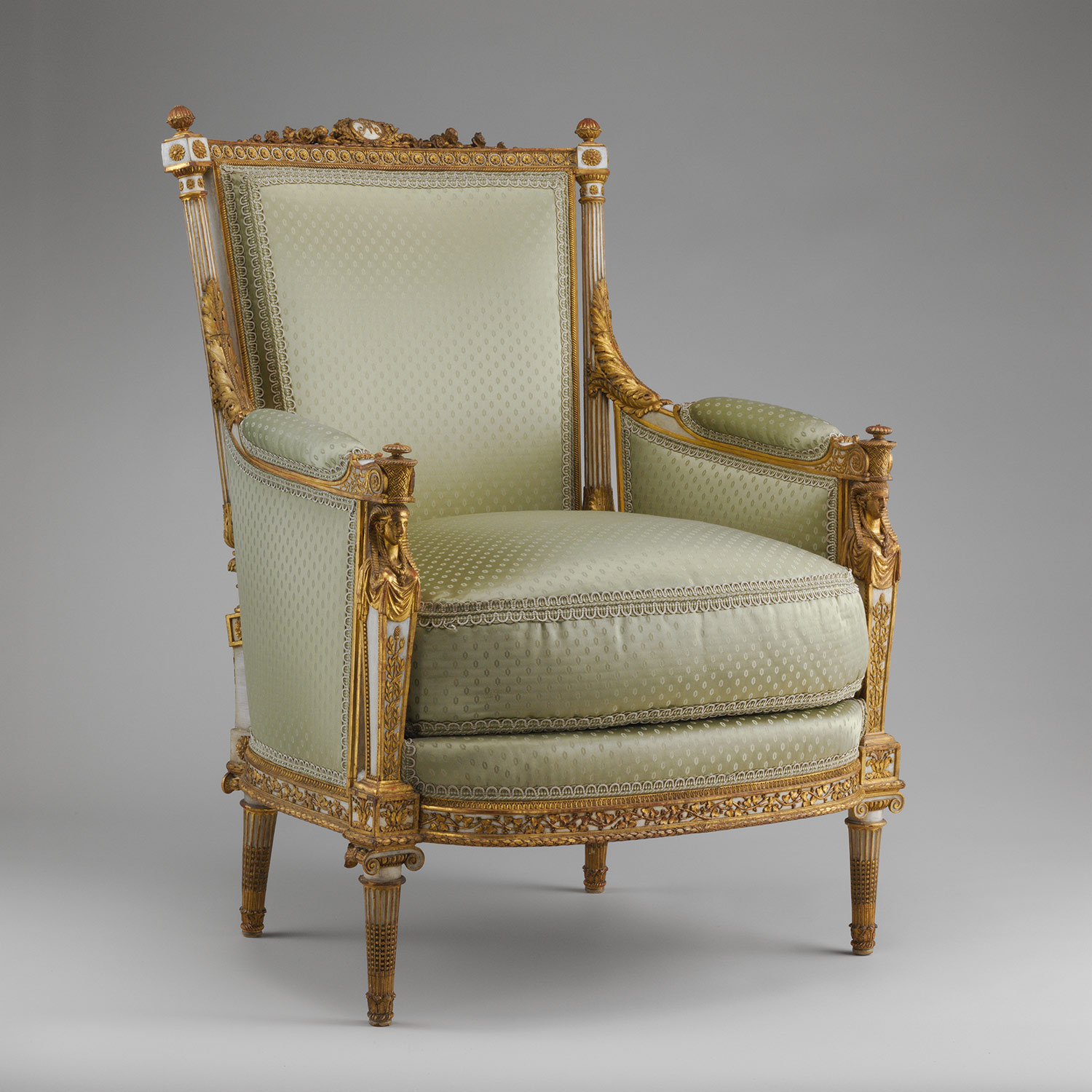
In 1977, I had a mini-dream regarding this passage. I was struggling being in a lay community which I was in from 1973 to 1979. I had been involved in multiple activities and was burnt out. I was living in common in a large group, broken up into households. The community at that time was over 2,000 people. This was in Minneapolis. The dream revealed a busy urban scene with the building of a skyscraper, very common in the Twin Cities at the time. The steel girders were in place and I saw a crane trying to take a rare, beautiful Louis Quatorze chair up to the top of this unfinished building. Then, I heard this Bible verse clearly. The point was that one does not put an expensive antique chair in an unfinished building. This was not my community, and it took me another 18 months to decide to leave. I am very persistent and committed. Also, my entire life had been given to this for many, many years. I transferred to another community, and ended up doing my graduate degree at Notre Dame. From there I moved to England as I had fallen in love with the country on a visit in 1980. This, as part of Europe, was my spiritual home.
The point is this. God has a place for us and only He can lead us. Just as the religious are called to a specific order, so too, we laity are called to a certain spirituality. The means are different, but the goal the same. I have suggested in this blog many times that charity, that is perfected love, cannot be found usually on one's own, living alone. Which is why I have encouraged commitment especially for the young.
My son has said that one of the problems with the generation of youth is that these youth have too many options. I think that is about to change.
I shall go back to the post on contemplation later. As lay people we must enter into some discipline of such in order to be perfected. This is difficult, but the only way to see God. As our state in life is not the objectively perfect state of the monastic orders, or the desert fathers, who as solitaries were still under obedience to their bishops, according to Suarez/Humphrey, we must enter into a perfection without being in the place where this happens most readily.
As Christ said to his disciples, With men this is impossible: but with God all things are possible. Matthew 19.26.
Caritas and recommended books
Posted by
Supertradmum
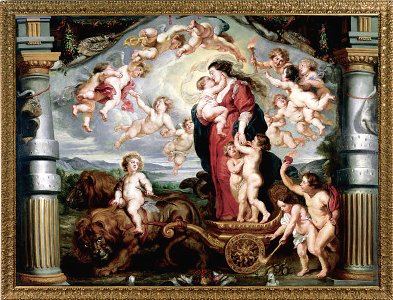
| Rubens The Triumph of Divine Love |
Now, I would never marry for money or status. I am an idealist. When one is in love, one does not mind just sitting in the same room as the beloved. Just to be near the loved one is enough. To communicate in silence is the mark of real love.
We meet God in silence in Adoration. We meet God in silence when we receive Him in the Eucharist. But, He is not a God of silence. He is The Word. He Himself longs to communicate with each one of us, personally. This practice of the presence of God, and I highly recommend Jean Pierre de Caussade's book on this topic, Abandonment to Divine Providence or The Sacrament of the Present Moment, a book I read over thirty years ago but have just appropriated in my life as a total reality. This is a grace, but one must know what graces are possible and ask for those graces.
I you can find this book, get it. It is applicable to our lives as laity. Again, this is not Quietism, which I have explained on this blog earlier. You can use the search button for those posts.
Father de Caussade wrote that every moment is like a sacrament if we realize that we are in the Presence of God. The only way to accomplish this is through grace, and the complete abandonment to the Divine Will. This is possible for us lay persons as well as religious. All are called to be in the Presence of God, all.
I cannot guarantee this translation, as I have the book, but the entire work in on-line. I suggest reading this slowly over the next few months. The real meat of the book is towards the end.
There are two other books I do not have, the first which I have read entirely and the second which I have read in part, which I can recommend now. The Perfection of Man by Charity by Father Reginald Buckler. I cannot stress how important this book is enough. I wish I had it. Father Buckler explains the entire path of perfection through Caritas, in a scholarly and pastor manner. If you find it, read it and cherish it.
The second one is longer and in two or three volumes depending on the publisher. I have not finished this book, nor do I have it. That is The Practice of Christian and Religious Perfection by Father Alphonsus Rodriguez. This book and the one by Buckler were, in the good, old days, standard reading for religious formation. Sadly, this is no longer true. The same ignorance of the laity which has been caused by dumbing down in schools and parishes has effected some of the orders. The young coming in need basic catechesis.
However, treat yourself to these books, but here is a warning. We should never read and assume what we read is our experience. Only read these with a competent spiritual director. I was introduced to de Caussade by a spiritual director I had in the early 1980s. I am eternally grateful to this priest. But, do not suppose you can read without really allowing God to change you from a slot-machine pray-er to a lover of God.
That movement is in the will and the heart, as well as the intellect. By the way, the Jesuits used Rodriquez in formation in the old days. I wonder if they do now.
The other books I have recommended recently are Lord of the World and None Other Gods, by Robert Hugh Benson. I have read the first three times in one year. The other is excellent. I do not have copies of these, either, yet.
God bless you all. And, here is Robert Anderson's explanation of the famous painting by Rubens on Caritas.
This picture is allegorical in that it contains a grandiose procession which celebrates a victory - the defeat of evil in the world by religious or divine love. This divine love is personified by Charity, who is the foremost of the three 'theological virtues' and who in this painting resembles the Virgin Mary. Charity is linked to the classical Mother of the Gods, Cybele, by the two lions who pull her chariot. In this implied reference Charity, as Mother of the Gods is seen as Mary, the Mother of God. A reference is made to Christ's sacrifice for the world by depicting the pelican piercing her breast in order to feed her young. Snakes represent evil and are overcome by the religious ardor of the flaming heart and the arrows of sacred love.
Caritas or Charity stands on a small chariot drawn by two lions. She holds one of her children in a tender embrace while two others stand by her side. In front of her stands a pelican, piercing her breast to feed its young. In the air around her fly twelve (12) putti, one of whom holds a flaming torch. On the ground are three more putti. One rides a lion with an arrow in his hand; one stoops to burn two intertwined snakes; the third raises a flaming heart in one hand and a bow in the other. These motifs of love ( sacred and profane) are repeated in various decorative elements. In the center of the chariot's wheel is a carved seraph from which radiate alternating arrows and shafts of flame as spokes.
A garland of fruit and flowers is strung above the tapestry which is hung between two doric columns. In the center between two crossed torches hangs a cartouche inscribed "Amor Divinus" . Below the bottom ledge, in the center, is placed a flaming heart pierced by two crossed arrows encased in an ornamental shell adorned with flowers. On each side is a cornucopia from which emerge flames and smoke and on which sits a dove, another emblem of love.
While members of Ruben's workshop painted much of the final cartoon we can discern Ruben's own hand in the painting of the face of the putto riding the lion.
The cycle of eleven paintings of The Triumph of the Eucharist was commissioned by the Archduchess Isabella who was the daughter of Philip II of Spain and the Governor of the Spanish Netherlands. It was planned as a gift for the convent of the Descalzas Reales in Madrid in 1625 where it still hangs today. This Franciscan Order of Poor Clares was one with which Isabella was closely associated.
The series is a mixture of allegory and religious propaganda intended to promote the worship of the Eucharist (ie the bread and wine consecrated as the body and blood of Christ and distributed at communion) which had been strengthened recently by the Council of Trent and which constituted an important element in Counter Reformation Catholicism.
This was a time of great concern on the part of the Catholic church as it attempted to correct not only the abuses of the clergy but also to reaffirm its tenets / dogma in the face of attacks by the Protestant Reformation. http://ringlingdocents.org/divine.htm
The Golden Rose
Posted by
Supertradmum
I was doing some research on Gibraltar and came across a fact which escaped me in 2009. Pope Benedict XVI gave the coveted Golden Rose to the Shrine of Our Lady of Europe in that country. To date, the Pope has given twelve Golden Roses to shrines, including one to the National Shrine in Washington D.C. in America.
Most recent popes have given the Golden Rose to shrines, but in the past, such a prized, blessed gift was also given to people. Some popes only gave a few, such as Blessed John Paul II, who only gave four. The list of shrines may be found on Wiki.
An incomplete list of people who have been given the Golden Rose may be found in the Catholic Encyclopaedia on-line. Here it is and I left the links on purpose so one can follow some of these popes. I have also highlighted the ones I consider important.
- Falcone, Count of Angers, who received it from Urban II (1096);
- Alfonso VII, King of Castile (Eugene III; 1148);
- Louis VII of France (Alexander III; 1163);
- Louis I of Hungary (Clement VI; 1348);
- Joanna I, Queen of Naples (1368);
- Emperor Sigismund (Eugene IV; 1435);
- Henry VI of England (Eugene IV; 1444);
- Casimir IV, King of Poland (Nicholas V; 1448);
- Emperor Frederick III and his wife Empress Eleonora, who were crowned on Lætare Sunday (1452) and received the Golden Rosenext day from Nicholas V;
- Charles VII of France (Callistus III; 1457);
- James III of Scotland (Innocent VIII; 1486);
- Isabella I, Queen of Spain (Alexander VI; 1493);
- Alexander I of Poland (Julius II; 1505);
- Emanuel I of Portugal (Julius II; 1506);
- Henry VIII of England, who received one from Pope Julius II, one from Leo X, and one from Clement VII in year 1524;
- Frederick, Duke of Mantua (Paul III; 1537), because of his kindness towards the Fathers of the Council of Trent;
- Mary, Queen of England, daughter of Henry VIII (Paul IV; 1555);
- Henry of Anjou, King of Poland (Clement VIII; 1592);
- Margaret of Austria, Queen of Spain, on the day she was married to Philip III by proxy in presence of Pope Clement VIII (1598);
- Henrietta Maria, Queen of England, at Amiens (Urban VIII; 1625);
- Maria of Austria, Queen of Hungary (Urban VIII; 1630);
- Maria Theresa, Queen of France (1668), for her infant son, the Dauphin, for whom Pope Alexander VII was godfather;
- Eleonora, Queen of Poland (Clement X; 1671);
- Mary Casimir, wife of John III, King of Poland, Saviour of Vienna (Innocent XI; 1684);
- Amelia of Brunswick, empress (Innocent XII; 1699);
- Maria Louisa Gabriele of Savoy, Queen of Spain (Clement XI; 1701);
- Francesco Loredano, Doge of Venice (Clement XIII; 1759);
- Maria Christina, Archduchess of Austria (Pius VI; 1776);
- Maria Theresa, widowed Queen of Sardinia (Leo XII; 1825);
- Maria Anna, Queen of Hungary, afterwards empress (Gregory XVI; 1832);
- Maria II, Queen of Portugal (Gregory XVI; 1842);
- Maria Pia of Portugal, on the day of her baptism (Pius IX, her godfather, 1849);
- Isabella II of Spain (Pius IX; 1868);
- Maria Christina, Queen Regent of Spain (Leo XIII; 1886);
- Isabella, Princess Imperial of Brazil, then Regent of the Empire (Leo XIII; 1880);
- Maria Amélie, Queen of Portugal (Leo XIII; 1892);
- Marie Henriette, Queen of the Belgians (Leo XIII; 1893).
Friday, 23 November 2012
Sniff...
Posted by
Supertradmum
I just talked to the Mother Prioress and she said something was missing in my absence. Sniff...but one cannot pretend to do what one cannot do physically. God bless those Spiritual Marines.
St. Bernard and the Four Steps of the Cloister Stair-Contemplation Continued
Posted by
Supertradmum
I am writing to encourage the laity to a personal relationship with Christ which will lead each lay person to union with Christ. This is not only possible, but God's Will.
The reason I encourage reading is that is the first step on the chair to Contemplation as taught by St. Bernard of Clairvaux.
We must read the right books, however. Some people get bogged down in conversion stories. That is only a beginning. Let me encourage the daily reading of Scripture, or the Lectio Divina.
Here is what Suarez states about Bernard's first step, which overlaps with what St. Thomas Aquinas writes, is important on the life of those seeking contemplation.
Reading...is the first elevation of the mind to God, for by reading we learn and receive that which by meditation we preserve and digest, and so by degrees the soul is inflamed towards God; or, to quote St. Bernard, it is the first step of the four steps of the cloister stair, which are reading, meditation, prayer and contemplation. ...Reading seeks, meditation finds, prayer begs, and contemplation relishes.
Yesterday, I had a fairly long conversation with a holy young man who is seeking God daily. He was defending those in his generation who do not know their faith, nor take, or "have" time for the Catechism, or other reading, such as the Scriptures. They will be lost. A priority for finding out the faith is essential for every Catholic adult. And, one over 18 is an adult. Whether someone decides to be in the psychological state of a child and not take responsibility for spiritual growth or not, each one of us is responsible. The graces of the sacraments, especially the Eucharist, aid us on our way.
I pointed out that without a philosophical grounding in Catholic thought and an understanding of their faith, these young people will not make good decisions for their lives. Without discernment based on reading and the moral framework of the Catholic Church, these youth will flounder.
St. Bernard writes, Reading without meditation is arid, meditation without reading is exposed to error, prayer without meditation is tepid, meditation without prayer is unfruitful; prayer with the devotion of contemplation is acquisitive, while the attainment of contemplation without prayer is either rare, or it is miraculous.
Suarez in good logical form states these are the beginning, the middle and the end of contemplation. This is why I list books on this blog. I shall continue later with the other three steps.
The reason I encourage reading is that is the first step on the chair to Contemplation as taught by St. Bernard of Clairvaux.
We must read the right books, however. Some people get bogged down in conversion stories. That is only a beginning. Let me encourage the daily reading of Scripture, or the Lectio Divina.
Here is what Suarez states about Bernard's first step, which overlaps with what St. Thomas Aquinas writes, is important on the life of those seeking contemplation.
Reading...is the first elevation of the mind to God, for by reading we learn and receive that which by meditation we preserve and digest, and so by degrees the soul is inflamed towards God; or, to quote St. Bernard, it is the first step of the four steps of the cloister stair, which are reading, meditation, prayer and contemplation. ...Reading seeks, meditation finds, prayer begs, and contemplation relishes.
Yesterday, I had a fairly long conversation with a holy young man who is seeking God daily. He was defending those in his generation who do not know their faith, nor take, or "have" time for the Catechism, or other reading, such as the Scriptures. They will be lost. A priority for finding out the faith is essential for every Catholic adult. And, one over 18 is an adult. Whether someone decides to be in the psychological state of a child and not take responsibility for spiritual growth or not, each one of us is responsible. The graces of the sacraments, especially the Eucharist, aid us on our way.
I pointed out that without a philosophical grounding in Catholic thought and an understanding of their faith, these young people will not make good decisions for their lives. Without discernment based on reading and the moral framework of the Catholic Church, these youth will flounder.
St. Bernard writes, Reading without meditation is arid, meditation without reading is exposed to error, prayer without meditation is tepid, meditation without prayer is unfruitful; prayer with the devotion of contemplation is acquisitive, while the attainment of contemplation without prayer is either rare, or it is miraculous.
Suarez in good logical form states these are the beginning, the middle and the end of contemplation. This is why I list books on this blog. I shall continue later with the other three steps.
The Supernatural Builds on the Natural-Continued
Posted by
Supertradmum
I grew in a family which identified things in nature: we knew and still know the names of trees, flowers, both wild and cultivated, birds and other animals, type of rocks and so on.
That is because we were outside a lot. We grew up going outside, for walks, hikes, camping trips, historical pilgrimages and religious pilgrimages.
We knew we were part of nature.
In the past two months at the monastery, I went walking in the beautiful Bible Garden daily. The nuns have their own, secluded garden which adjoins the more public one. In all that time, there was only one other nun who I saw taking regular exercise outside and she is English.
Somehow, nature must be part of the life of the religious. St. Bernard knew this, and St. Benedict encouraged outside work. This is missing from so many monasteries. There are some which still farm and have orchards, plant vegetable gardens and herbal gardens. But, because of the dropping of vocations, so many orders can no longer maintain the farms and orchards of the past. Five healthy nuns cannot maintain a farm, or even a large garden.
This, to me, causes a lack of communion with God through nature.
One of the flowers in the garden was the gladiolus, or the Roman sword, as it is sometimes called. I love this flower and the one in this particular place was bright coral. I have written a poem about it.
I watched that flower endure high winds, fog, slashing rain and cold. Yet, it bloomed up to November 12th and another set of flowers was coming up behind the stem I saw. God teaches us through nature and in this case I learned several things. One, plants need certain things to grow-water, good soil, sunshine. God gives them what they need. Two, plants persevere through harsh weather, if the roots are good. Third, beauty is from God to be enjoyed and to cause us to praise Him.
The younger nuns sing the verses referring to Orion and the Pleiades. These are in Amos and Job. I wanted to bring them outside at night to show them which stars were in the psalm, but |that would have been impossible with the rules of the monastery. Would they not praise their God better if they knew the references merely by looking up at the sky at a certain time of the night, in this case, at that time, just before, during and after Nocturnes, and see the work of God?
As I wrote last week, the supernatural grows out of the natural. The Medievals knew this, as their lives were intimately chained to the seasons, the skies, the plants. But, our modern life separates from nature, from God's creation, of which we are a part.
We are not disembodied spirits, but flesh and blood. The Church, rooted in history, and our God, a God of history, give us the sacraments, singing, sacred signs and efficacious words and symbols to become holy. I pray that all who desire perfection start with the natural and move to the supernatural. The laity and religious alike must start with a relationship with the Creator, Who is Father of us all. I pray for more vocations, which would allow more time for God's outside work.
That is because we were outside a lot. We grew up going outside, for walks, hikes, camping trips, historical pilgrimages and religious pilgrimages.
We knew we were part of nature.
In the past two months at the monastery, I went walking in the beautiful Bible Garden daily. The nuns have their own, secluded garden which adjoins the more public one. In all that time, there was only one other nun who I saw taking regular exercise outside and she is English.
Somehow, nature must be part of the life of the religious. St. Bernard knew this, and St. Benedict encouraged outside work. This is missing from so many monasteries. There are some which still farm and have orchards, plant vegetable gardens and herbal gardens. But, because of the dropping of vocations, so many orders can no longer maintain the farms and orchards of the past. Five healthy nuns cannot maintain a farm, or even a large garden.
This, to me, causes a lack of communion with God through nature.
One of the flowers in the garden was the gladiolus, or the Roman sword, as it is sometimes called. I love this flower and the one in this particular place was bright coral. I have written a poem about it.
I watched that flower endure high winds, fog, slashing rain and cold. Yet, it bloomed up to November 12th and another set of flowers was coming up behind the stem I saw. God teaches us through nature and in this case I learned several things. One, plants need certain things to grow-water, good soil, sunshine. God gives them what they need. Two, plants persevere through harsh weather, if the roots are good. Third, beauty is from God to be enjoyed and to cause us to praise Him.
The younger nuns sing the verses referring to Orion and the Pleiades. These are in Amos and Job. I wanted to bring them outside at night to show them which stars were in the psalm, but |that would have been impossible with the rules of the monastery. Would they not praise their God better if they knew the references merely by looking up at the sky at a certain time of the night, in this case, at that time, just before, during and after Nocturnes, and see the work of God?
As I wrote last week, the supernatural grows out of the natural. The Medievals knew this, as their lives were intimately chained to the seasons, the skies, the plants. But, our modern life separates from nature, from God's creation, of which we are a part.
We are not disembodied spirits, but flesh and blood. The Church, rooted in history, and our God, a God of history, give us the sacraments, singing, sacred signs and efficacious words and symbols to become holy. I pray that all who desire perfection start with the natural and move to the supernatural. The laity and religious alike must start with a relationship with the Creator, Who is Father of us all. I pray for more vocations, which would allow more time for God's outside work.
St. Bernard and St. Mary Magdalen
Posted by
Supertradmum
Here is the quotation from St. Bernard of Clairvaux, from a homily of his at Easter.
"We look for God where He is not to be found, or rather, we do not look for Him where He is chiefly to be found; hence, all the confusion, all the delay, and a lot of marking time. Woman, why are you weeping? You possess Him , the One your are searching for, and you do not know it? You look for Him without, but you have Him within. You stand outside the tomb in tears. Why? Where am I. Why, within you. This is My resting place; I am not dead but alive for evermore. You yourself are My garden. You did well to call me the Gardener. I, too, the Second Adam, am in charge of a garden, the Garden of Paradise. My task is to raise a crop of desires in this garden of your soul. What? You love Me, you possess Me within yourself and you do not know Me? That is why you see Me outside. Well, here I am. I appeared to you outside so that I might bring you inside. It is there inside yourself that you will find Me...Ah, I am not absent. I am not far away as you think. I am close at hand. Tell Me what is nearer to anyone than his own heart? Those who find Me, find Me there in their hearts. That is where I live."
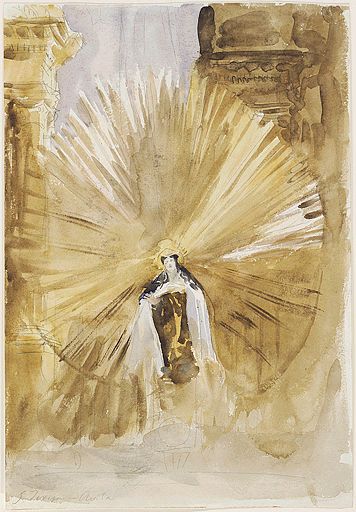
| Thanks, Wiki |
On the Various Types of Priests
Posted by
Supertradmum
Clarification on a simple point.
Many Catholics do not understand the difference between a priest who is a member of an order and a secular or diocesan priest. The vocation is very different. I hope for those who do know the difference, this is not too pedestrian.
An order, such as the Benedictines, Dominicans, Franciscans, Fraternity of St. Peter, or the Institute of Christ the King have various things in common. I shall list those: first, an order has a spirituality unique to that group of men. Second, most are missionary in scope and call. Third, the members make unique vows to the order.
By the way, even some Benedictine orders are missionary, having a vow of stability to the order and not to a monastery, such as the Tyburn nuns. Fourth, the members of an order live in community, unless they are Jesuits in certain areas, or have at least one other priest with them in their work.
A secular or diocesan priest is under obedience to his bishop and works in a diocese, usually. The call to be a diocesan priest is not a missionary call, although a bishop may send a secular to Rome to teach, for example, or to a capital to work in the archdiocesan or national offices.
The spirituality of such men varies greatly according to the order, or the diocese. Some diocesan priests would be more Ignatian in their spirituality, as St. Ignatius wrote a rule for the active life. However, the spirituality of a secular priest is that of the apostle working in the world under authority, but without a specific rule. The secular must say daily Mass and his breviary, but he is under no obligation to sing the hours, or to have the type of strict obedience which a monk owes his abbot, for example. A secular priest has the right to say no to something and discuss possibilities with his bishop. The fraternity of secular priests is built up by friendships and groups in the deaneries.
Most diocesan priests wear blacks, though not all, and few wear soutanes (cassocks). Their life is very active, and these priests need great care from their parishes, which sadly in most places is lacking. The live alone, mostly, except in large urban areas, and are overworked. But, their call is that of the original twelve apostles. Their community is that which they make, and not ready made, as in the great orders. Also, secular priests do not make a vow of poverty. Living in the world can be expensive and harsh. Many dioceses give a minimum to their priests, and I know some countries where families help out the priests in their families out of necessity.
God's call to a young man is specific. One either has a religious vocation in addition to a priestly one or not. This is determined with spiritual directors, or vocations directors, or even abbots. One can discern through self-knowledge where one's talents and temperament fit into the Church.
It is very hard to be a diocesan priest in these days. Pray for your priests. Do not judge them too harshly. Pray for the seminarians. Pray for more vocations. I know many parents who would not want their boys to be priests. I personally believe this is sinful-to stand in the way of God's call to a son is a serious thing.
There are not a lot of canonized saints who are diocesan priests. One reason is that the established orders have had more means, such as influence and monies, in Rome, in order to push the process. This is not a cynical statement, but simply a matter of process and ease. St. Jose Maria Escriva, who I consider a great saint, had a relatively easy time becoming canonized as his order was organized. This is the same reason why there are so few lay saints formally canonized. One needs, as it were, sponsorship in Rome. St. John Vianney is the patron saint of diocesan priests.
Many trad young men become diocesan priests as that is their call from God. They want to bring the Latin Mass into the community. The blogging priests are mostly secular, such as Rev. Timothy Finigan , Rev. Ray Blake, and Rev. John Zuhlsdorf, but not all. Some monasteries do not allow the Internet at all for the community. Some do.
I hope this helps those who were wondering about this question.
Many Catholics do not understand the difference between a priest who is a member of an order and a secular or diocesan priest. The vocation is very different. I hope for those who do know the difference, this is not too pedestrian.
An order, such as the Benedictines, Dominicans, Franciscans, Fraternity of St. Peter, or the Institute of Christ the King have various things in common. I shall list those: first, an order has a spirituality unique to that group of men. Second, most are missionary in scope and call. Third, the members make unique vows to the order.
By the way, even some Benedictine orders are missionary, having a vow of stability to the order and not to a monastery, such as the Tyburn nuns. Fourth, the members of an order live in community, unless they are Jesuits in certain areas, or have at least one other priest with them in their work.
A secular or diocesan priest is under obedience to his bishop and works in a diocese, usually. The call to be a diocesan priest is not a missionary call, although a bishop may send a secular to Rome to teach, for example, or to a capital to work in the archdiocesan or national offices.
The spirituality of such men varies greatly according to the order, or the diocese. Some diocesan priests would be more Ignatian in their spirituality, as St. Ignatius wrote a rule for the active life. However, the spirituality of a secular priest is that of the apostle working in the world under authority, but without a specific rule. The secular must say daily Mass and his breviary, but he is under no obligation to sing the hours, or to have the type of strict obedience which a monk owes his abbot, for example. A secular priest has the right to say no to something and discuss possibilities with his bishop. The fraternity of secular priests is built up by friendships and groups in the deaneries.
Most diocesan priests wear blacks, though not all, and few wear soutanes (cassocks). Their life is very active, and these priests need great care from their parishes, which sadly in most places is lacking. The live alone, mostly, except in large urban areas, and are overworked. But, their call is that of the original twelve apostles. Their community is that which they make, and not ready made, as in the great orders. Also, secular priests do not make a vow of poverty. Living in the world can be expensive and harsh. Many dioceses give a minimum to their priests, and I know some countries where families help out the priests in their families out of necessity.
God's call to a young man is specific. One either has a religious vocation in addition to a priestly one or not. This is determined with spiritual directors, or vocations directors, or even abbots. One can discern through self-knowledge where one's talents and temperament fit into the Church.
It is very hard to be a diocesan priest in these days. Pray for your priests. Do not judge them too harshly. Pray for the seminarians. Pray for more vocations. I know many parents who would not want their boys to be priests. I personally believe this is sinful-to stand in the way of God's call to a son is a serious thing.
There are not a lot of canonized saints who are diocesan priests. One reason is that the established orders have had more means, such as influence and monies, in Rome, in order to push the process. This is not a cynical statement, but simply a matter of process and ease. St. Jose Maria Escriva, who I consider a great saint, had a relatively easy time becoming canonized as his order was organized. This is the same reason why there are so few lay saints formally canonized. One needs, as it were, sponsorship in Rome. St. John Vianney is the patron saint of diocesan priests.
Many trad young men become diocesan priests as that is their call from God. They want to bring the Latin Mass into the community. The blogging priests are mostly secular, such as Rev. Timothy Finigan , Rev. Ray Blake, and Rev. John Zuhlsdorf, but not all. Some monasteries do not allow the Internet at all for the community. Some do.
I hope this helps those who were wondering about this question.
Thursday, 22 November 2012
No Fear
Posted by
Supertradmum
The Perfect Love that drives out fear is not our love, puny and incomplete and impure as that is, but the Love of God Himself. Once He has revealed that Love to one, or to be more exact, once a person is open to that Love, fear disappears. I can say this is a truism.
Not that one is foolhardy, but a quiet knowledge takes over which is stronger than fear. This knowledge is that God dwells within me and is always, yes, always with me.
How can one fear under that circumstance? St. Paul states, in Romans 8:31, What shall we then say to these things? If God be for us, who is against us?
Does one experience pain? Yes, and sickness and poverty and ridicule and sufferings of all sorts.
It no longer matters.
God is there is all of the negative experiences. All is redeemed in Christ.
Totally trusting in Divine Providence is a gift and for me, a healing. I begged God for this for a long time. He has been merciful. Original sin, the sins of others against me and my sin have been swallowed up in the knowledge that God is within me. Sadly, the new agers and especially the TM people have taken this phrase up as a mantra. Do not be fooled.
The God within is Christ, the Father and the Holy Spirit and there is only one way to discover Him and that is through the Crucifixion. There is nothing magical or easy or fair about the process. St. Paul makes a list of the sufferings he endured. Why? To brag? No he did not, but to show us the way.
Why do we have to go through all this suffering? Because of our self-will and impurity. Blessed are the pure in heart for they shall see God. Matthew 5:8.
As God is Pure, we must become like Him and if we allow Him, He will do this. Pray, listen, watch, beg, repent, for the Kingdom of God is at hand.
The God within is Christ, the Father and the Holy Spirit and there is only one way to discover Him and that is through the Crucifixion. There is nothing magical or easy or fair about the process. St. Paul makes a list of the sufferings he endured. Why? To brag? No he did not, but to show us the way.
Why do we have to go through all this suffering? Because of our self-will and impurity. Blessed are the pure in heart for they shall see God. Matthew 5:8.
As God is Pure, we must become like Him and if we allow Him, He will do this. Pray, listen, watch, beg, repent, for the Kingdom of God is at hand.
Sent to me from a friend in the States...cool, huh?
Posted by
Supertradmum
First Thanksgiving Was Actually Catholic
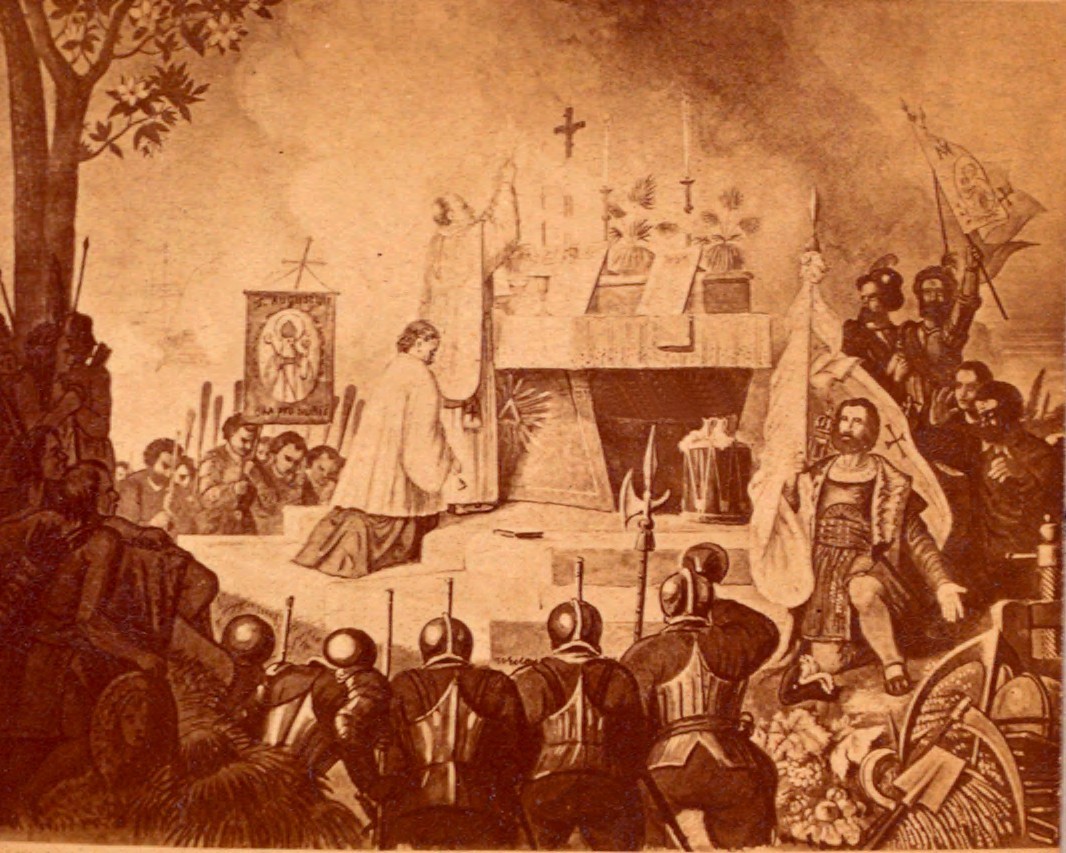
It Was a Traditional Latin Mass of Thanksgiving in St. Augustine, in 1565. Fifty five years before the Pilgrims Landed at Plymouth Rock.
History books have long portrayed images of the US’s first Thanksgiving in Plymouth, Massachusetts, with Pilgrims, dressed in black and white, sharing turkey with American Indians. (It should be noted that the Pilgrims, who came to America to escape religious persecution from the Anglicans, were themselves the perpetrators of religious persecution. When they had been in power, they had gone around the English countryside destroying Anglican altars and liturgical accoutrements because the Anglican Church was too “papish” for them. No wonder they were “persecuted.”)
To the contrary, the research of Michael Gannon, an expert on Florida colonial history and professor of history at the University of Florida, over twenty years ago revealed that St. Augustine, the US’s oldest city, was the site of the first Thanksgiving. This first Thanksgiving took place in 1565, 55 years before the Pilgrims landed, when the Spanish founder of St. Augustine, Pedro Menindez de Avilis, and 800 Spanish settlers shared in a Mass of Thanksgiving. Get that? A Mass. A Traditional Latin Mass.
Following the Mass, Menindez ordered a communal meal to be shared by the Spaniards and the Seloy Indians who occupied the landing site. Prof. Gannon, in his book, The Cross in the Sand, states that the nation’s first Thanksgiving menu would most likely have consisted of what the Spanish settlers had with them during their voyage: cocido, a stew made from salted pork and garbanzo beans laced with garlic seasoning, hard sea biscuits, and red wine. If the Seloy natives contributed to the meal, the table would have seen wild turkey, venison, gopher-tortoise, mullet, corn, beans, and squash. [PRNewswire]
So, you traditional Catholic families, when you gather around your Thanksgiving table this year, tell your children the real story of the first Thanksgiving: that it was hosted not by the Pilgrims, but by traditional Roman Catholics, and that its centerpiece was not a turkey, but the Traditional Latin Mass.
Happy Thanksgiving!
The Greatest Man to Be Born
Posted by
Supertradmum
"Behold, I send My messenger before Your face, who will prepare Your way before You.’ Truly, I say to you, among those born of women there has not arisen anyone greater than John the Baptist; yet he who is least in the kingdom of heaven is greater than he."
Matthew 11:9-11
"He who has the bride is the bridegroom; but the friend of the bridegroom, who stands and hears him rejoices greatly because of the bridegroom’s voice. So this joy of mine has been made full." John 3:29
John the Baptist is one of my favourite saints. The Eastern Church seems to have a greater love and honour for this extraordinary man than we do in the West. He was born without original sin, as he received the Holy Spirit at the Visitation of Mary to Elizabeth--not conceived without Original Sin, but born with grace. He is the great prophet foretold throughout the Old Testament, the Precursor of God the Son. We overlook St. John's greatness and his clarity of vision regarding sin and repentance. As we approach Advent, we should have his words ringing in our ears; Matthew 11: 9-11, as seen above. In these times, the Way of the Lord must include repentance and renewal of our hearts and minds and souls. I have written on him before in recent months. But, one cannot honour him too much. He is one of only three in the Kingdom of God for which we honour his birthday-Christ, the Son of God, Mary the Mother of God, and John, the Precursor. His feast day is one of the oldest in the Church, dating back to the earliest centuries of Christendom. His special status is based on Scripture, not private revelation, and by the words of Christ, the Son of God Himself.
The Catholic Encyclopaedia notes:
The commemoration of his Nativity is one of the oldest feasts, if not the oldest feast, introduced into both the Greek and Latin liturgies to honour a saint. But why is the feast proper, as it were, of St. John on the day of his nativity, whereas with other saints it is the day of their death? Because it was meant that the birth of him who, unlike the rest, was "filled with the Holy Ghost even from his mother's womb", should be signalized as a day of triumph. The celebration of the Decollation of John the Baptist, on 29 August, enjoys almost the same antiquity.
St. John the Baptist, give us the strength to speak the Truth in all places, at all times, with all people.
http://supertradmum-etheldredasplace.blogspot.ie/2012/08/christ-called-him-greatest-man-who-ever.html
Friendship with Christ, continued....
Posted by
Supertradmum
Garrigou-Lagrange, Robert Hugh Benson, and many others insist that friendship with and in Christ is not only possible for the lay person, but God's Will for each person, whether lay or religious. The difference is that the religious commits herself and himself to this life of perfection directly, making vows which lead, as I have mentioned, to a short-cut version of a longer process of purification. It is the duty, then, of the religious, to become holy, to become perfect.
Our duty is to pay attention to how God is working out our salvation and the stages of holiness while in the world. This is possible, as active orders have shown, such as the Jesuits, with such great saints through-out the ages trained in the spirituality of St. Ignatius. His rule is more applicable, obviously, to the lay life than the Benedictine rule, but all rules are possible for emulation in the world.
Choose one way and God will bless your efforts. He will also bless you freely, without your and my meagre efforts, because He is All-Loving, and like the father of the prodigal son, meets us more than half-way, waiting on the roof, looking for us to return to him.
Robert Hugh Benson writes of two type of contemplation, which is a helpful distinction for us lay people. Before I get into these descriptions, may I say that only love and suffering, suffering and love can lead us through these stages. If we are not in a loving relationship with God, either through a spouse or directly, our individualism will stand in the way of progress, and deceive us.
How does one know what is going on? Get a good spiritual director. Also, by the results in one's life-that is, is one peaceful and are the virtues manifested in one's life? Does one complain of suffering or accept it? Does suffering lead to peace and joy in Christ and union with Christ? Is one becoming or arrived at indifference; this is a good sign of the illuminative stage. Does one have to have one's favorite coffee, or a certain chair in the living room, or a living room? Can one tolerate any conditions of life God may send? St. Paul knew this.
I know both how to be brought low, and I know how to abound: (everywhere, and in all things I am instructed) both to be full, and to be hungry; both to abound, and to suffer need. Philippians 4:12
The two types of contemplation are ordinary and extraordinary contemplation. Ordinary contemplation is here described by Benson.
... Ordinary Contemplation is not only a state to be prayed for, but a state to which every sincere and devout Christian is bound to aspire, since it is perfectly within his reach by the help of ordinary graces.
It consists in a consciousness of God so effective and so continuous that God is never wholly absent from the thoughts, at least subconsciously. It is a state which, as has been said, the soul, when first initiated into the Friendship of Christ, in the beginning enjoys with extreme though fitful intensity. Life is changed by it: all relations are altered by it; Christ begins to be indeed the Light that irradiates every object of the soul's attention: He becomes the background, or the medium, by whose help all things are seen. Ordinary Contemplation, then, is the fixing of this state by effort as well as by grace. Until the soul has been purged, and until, further, it has been illuminated as to both exterior and interior things, the consciousness of Christ's interior Presence cannot be a continuous state.
But when these processes have taken place, when Christ, that is, has trained His new friend in the duties and rewards of the Divine Companionship, Ordinary Contemplation is, if we may say so, the attention that He expects from her. Sin, of course, in this state, becomes subjectively, far more grave: "material" sins easily become "formal." But, on the other hand, virtue is far easier, since it is difficult for any soul to sin very outrageously so long as she feels the pressure of Christ's hand in hers.
At this stage, even small sin is revealed as horrible, which it is. The conscience becomes clearer and illumined by grace, so that patterns of sin can be broken and virtue installed as the habitual way of being.
At first, this Friendship may be an on and off experience, but at some time, it becomes constant. People get confused and assume that one in the Illuminative stage has reached some type of hyper-intelligence. Saints like Joseph Cupertino and Benedict Labre show us that this does not have to be the case. It is very possible that two laymen recently made blessed, Pier Giorgio Frassati and Karl, the last emperor of Austria, not only attained the illuminative stage, but the state of union with God, and both were young when they died. Both lived the beatitudes, which is a sign of this illuminative state. They would have experienced objective contemplation, that is, the continual awareness of Christ Within.
Friendship with Christ
Posted by
Supertradmum
Robert Hugh Benson should be canonized, unless someone shows me an objection. His book The Friendship of Christ indicates a spirituality of perfection and a personal understanding of union with God, the Indwelling of the Trinity and all the stages. Even in his novels, especially in None Other Gods, he shows a personal awareness and experience of the suffering Christ leading to the knowledge of the Trinity within. Later today, as I am in a place where there is no American Thanksgiving, I shall write about the two types of contemplation.

Here is a section from that book which is particular to my discussions in the past week:
The first step of the Illuminative Way, then, consists, not merely in experiencing these things -- for temptations and bereavements are common to souls in all stages of the spiritual life -- but in perceiving their value, intellectually and interiorly, so clearly and unmistakably that never again, if the soul continues in her course, can she resent or rebel against such things -- except perhaps in momentary lapses -- but that rather, understanding their value, she bends all her will to accept them and use them as God wills. And it is, therefore, exactly at this stage, that the soul ceases to be bewildered by the Problem of Pain; for, while she cannot, of course, intellectually solve the problem, she answers it, in the only way in which it is possible, by grasping Pain, or at any rate acquiescing in it. She now sees it practically to be reasonable; and henceforth endeavours to act upon that intuition.
II. The second step of the Illuminative Way -- corresponding to that of the Purgative -- consists in light being gained from God as to the reality of interior things -- for instance, the truths of religion.
For example: A soul in the elementary stage of faith adheres to an enormous number of dogmas of which she has no interior experience at all. She adheres to them, and lives by them, for the simple fact that she receives them from an Authority which she knows to be Divine. But, not only can she not intellectually understand many of them but she has not what the Scriptures call any "spiritual discernment"{2} with regard to them. She has received the Faith, as our Lord tells us we must all receive it, as a "little child";{3} she holds the casket of the Creed tightly in her hands, guides her life by its light, would die sooner than part with it, and ultimately sanctifies and saves her soul by her simple faithfulness towards it. But she has never dreamed of opening it: or, if she has opened it, all -- or at least much -- within is dark to her.
Such a soul as this, for instance, wins indulgences by fulfilling the necessary conditions; and can, perhaps, even give the orthodox theological account of what an indulgence actually is; but the spiritual transaction is as impenetrable to her eyes as a jewel in a locked box. Or it may be the doctrine of Eternal Punishment, or the prerogatives of Mary, or the Real Presence. She adheres to these things, and lives according to their effects and consequences: but they have no glimmer of light within them so far as she is concerned. She walks wholly by faith, and not at all by verification. She holds the dogmas of faith, but cannot compare them in any sense to natural facts or see those numerous points at which they fit in to other facts of her experience.
But when "Illumination" comes, an extraordinary change takes place. It is not that mysteries cease to be mysteries -- not that she can express in exhaustive human language, or even conceive in exhaustive images or modes, those facts of Revelation that are beyond reason -- but, for all that, there begins to shine to her spiritual sense, lighted by God's "candle" within her soul, point after point in those jewels of truth which up to now have been opaque and colorless. She can "explain" indulgences, or the justice of Hell, no better than before; and yet there is no longer impenetrable darkness within them. She begins to handle what she has already only touched; to comprehend what she has handled. She finds, by a certain inexplicable process of spiritual verification, that those things which she has taken to be true are true to her as well as in themselves; the path where she has walked in darkness, though in security, becomes dimly apparent to her eyes; until, if she, by grace and perseverance, ultimately reaches sanctity itself, she may experience by God's favour those clear-sighted intuitions -- or rather that infusion of knowledge -- which is so marked a characteristic in the saints.
III. The third stage of Illumination, corresponding with that of the Purgative Way, deals with those actual relations between Christ and the soul that are involved in the Divine Friendship. Now we saw that the last step of the Purgative Way was that abandonment of self into Christ's arms that is only possible when the soul has no longer any self-reliance. The corresponding step of the Illuminative Way is therefore the accession of light which the soul receives as to the abiding Presence of Christ within her, or -- perhaps it is safer to say -- of her abiding Presence within Christ.
It is at this point, therefore, that the Divine Friendship becomes the object of actual intelligence and contemplation. It is henceforth not only enjoyed, but in a certain degree consciously perceived and understood. This is nothing else than Ordinary Contemplation.

Here is a section from that book which is particular to my discussions in the past week:
The first step of the Illuminative Way, then, consists, not merely in experiencing these things -- for temptations and bereavements are common to souls in all stages of the spiritual life -- but in perceiving their value, intellectually and interiorly, so clearly and unmistakably that never again, if the soul continues in her course, can she resent or rebel against such things -- except perhaps in momentary lapses -- but that rather, understanding their value, she bends all her will to accept them and use them as God wills. And it is, therefore, exactly at this stage, that the soul ceases to be bewildered by the Problem of Pain; for, while she cannot, of course, intellectually solve the problem, she answers it, in the only way in which it is possible, by grasping Pain, or at any rate acquiescing in it. She now sees it practically to be reasonable; and henceforth endeavours to act upon that intuition.
II. The second step of the Illuminative Way -- corresponding to that of the Purgative -- consists in light being gained from God as to the reality of interior things -- for instance, the truths of religion.
For example: A soul in the elementary stage of faith adheres to an enormous number of dogmas of which she has no interior experience at all. She adheres to them, and lives by them, for the simple fact that she receives them from an Authority which she knows to be Divine. But, not only can she not intellectually understand many of them but she has not what the Scriptures call any "spiritual discernment"{2} with regard to them. She has received the Faith, as our Lord tells us we must all receive it, as a "little child";{3} she holds the casket of the Creed tightly in her hands, guides her life by its light, would die sooner than part with it, and ultimately sanctifies and saves her soul by her simple faithfulness towards it. But she has never dreamed of opening it: or, if she has opened it, all -- or at least much -- within is dark to her.
Such a soul as this, for instance, wins indulgences by fulfilling the necessary conditions; and can, perhaps, even give the orthodox theological account of what an indulgence actually is; but the spiritual transaction is as impenetrable to her eyes as a jewel in a locked box. Or it may be the doctrine of Eternal Punishment, or the prerogatives of Mary, or the Real Presence. She adheres to these things, and lives according to their effects and consequences: but they have no glimmer of light within them so far as she is concerned. She walks wholly by faith, and not at all by verification. She holds the dogmas of faith, but cannot compare them in any sense to natural facts or see those numerous points at which they fit in to other facts of her experience.
But when "Illumination" comes, an extraordinary change takes place. It is not that mysteries cease to be mysteries -- not that she can express in exhaustive human language, or even conceive in exhaustive images or modes, those facts of Revelation that are beyond reason -- but, for all that, there begins to shine to her spiritual sense, lighted by God's "candle" within her soul, point after point in those jewels of truth which up to now have been opaque and colorless. She can "explain" indulgences, or the justice of Hell, no better than before; and yet there is no longer impenetrable darkness within them. She begins to handle what she has already only touched; to comprehend what she has handled. She finds, by a certain inexplicable process of spiritual verification, that those things which she has taken to be true are true to her as well as in themselves; the path where she has walked in darkness, though in security, becomes dimly apparent to her eyes; until, if she, by grace and perseverance, ultimately reaches sanctity itself, she may experience by God's favour those clear-sighted intuitions -- or rather that infusion of knowledge -- which is so marked a characteristic in the saints.
III. The third stage of Illumination, corresponding with that of the Purgative Way, deals with those actual relations between Christ and the soul that are involved in the Divine Friendship. Now we saw that the last step of the Purgative Way was that abandonment of self into Christ's arms that is only possible when the soul has no longer any self-reliance. The corresponding step of the Illuminative Way is therefore the accession of light which the soul receives as to the abiding Presence of Christ within her, or -- perhaps it is safer to say -- of her abiding Presence within Christ.
It is at this point, therefore, that the Divine Friendship becomes the object of actual intelligence and contemplation. It is henceforth not only enjoyed, but in a certain degree consciously perceived and understood. This is nothing else than Ordinary Contemplation.
An interesting list...
Posted by
Supertradmum
From the website Courageous Priest is this interesting list of quotations from Pope Benedict XVI for your perusal: http://www.courageouspriest.com/future-world-stake?utm_source=feedburner&utm_medium=email&utm_campaign=Feed%3A+courageouspriest%2FqTKF+%28Courageous+Priest%29
The following are a set of quotes from the Holy Father regarding the times in which we now live.
Only if there is such a consensus on the essentials can constitutions and law function. This fundamental consensus derived from the Christian heritage is at risk… In reality, this makes reason blind to what is essential. To resist this eclipse of reason and to preserve its capacity for seeing the essential, for seeing God and man, for seeing what is good and what is true, is the common interest that must unite all people of good will. The very future of the world is at stake.
The most terrifying sign of the times… [for now] there is no such thing as evil in itself or good in itself. There is only a “better than” and a “worse than”. Nothing is good or bad in itself. Everything depends on the circumstances and on the end in view.
The tyranny of mammon [...] perverts mankind. No pleasure is ever enough, and the excess of deceiving intoxication becomes a violence that tears whole regions apart – and all this in the name of a fatal misunderstanding of freedom which actually undermines man’s freedom and ultimately destroys it.
Moral consensus is collapsing… Consequently the forces mobilized for the defense of such structures seem doomed to failure. However, the grave challenges confronting the world at the start of this new Millennium lead us to think that only an intervention from on high, capable of guiding the hearts of those living in situations of conflict and those governing the destinies of nations, can give reason to hope for a brighter future
Wednesday, 21 November 2012
For Tomorrow: my favourite way to celebrate St. Cecilia's Day
Posted by
Supertradmum
O, wear your tribulation like a rose.....
Thoughts on walking back from Mass today
Posted by
Supertradmum
An American notices dirt. Now, some of our Midwest towns and cities are very clean, with monies going to upkeep as civic pride is an important community aspect of life.
One thing I have noticed over the past twenty-five years in the deterioration of some European cities. Dublin, for example, is filthy, with dog excrement everywhere and garbage piled outside even nice shops. People smoke while walking, which was considered a no-no where I am from, and drop cigarette butts everywhere. I noticed in parts of London the same deterioration of cleanliness.
This sad fact is part of the culture of individualism, which undermines a sense of belonging to a community. The idea that a street, a road, a neighbourhood belongs to you and your family and friends is gone. No one seems to care and the younger ones, who are less than thirty, probably have not seen anything else than urban dirt. To me this is an indication of the lack of communal pride and community, period.
There are no young people in the churches for daily Masses, except at the Latin Mass, which creates a sub-community of sorts. However, the only young people I have met at the TLM are all foreigners and none Irish. These young college students or young marrieds are from Singapore, Poland, France, Germany.
They go to the TLM at home and go here in Dublin. But, how sad that the local youth are steeped in a rebellious spirit and reeling farther and farther away from God.
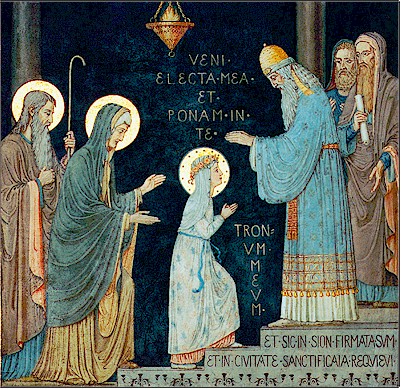
Today, on the Feast of the Presentation of Mary, I pray for her youth in Eire. May they come back to the faith soon. Mary belonged to a community, a strict bound community, with cultural rules and customs which not only gave the individual identity, but created an extended family.
All that is lost in Eire. Perhaps, forever....
One thing I have noticed over the past twenty-five years in the deterioration of some European cities. Dublin, for example, is filthy, with dog excrement everywhere and garbage piled outside even nice shops. People smoke while walking, which was considered a no-no where I am from, and drop cigarette butts everywhere. I noticed in parts of London the same deterioration of cleanliness.
This sad fact is part of the culture of individualism, which undermines a sense of belonging to a community. The idea that a street, a road, a neighbourhood belongs to you and your family and friends is gone. No one seems to care and the younger ones, who are less than thirty, probably have not seen anything else than urban dirt. To me this is an indication of the lack of communal pride and community, period.
There are no young people in the churches for daily Masses, except at the Latin Mass, which creates a sub-community of sorts. However, the only young people I have met at the TLM are all foreigners and none Irish. These young college students or young marrieds are from Singapore, Poland, France, Germany.
They go to the TLM at home and go here in Dublin. But, how sad that the local youth are steeped in a rebellious spirit and reeling farther and farther away from God.
Today, on the Feast of the Presentation of Mary, I pray for her youth in Eire. May they come back to the faith soon. Mary belonged to a community, a strict bound community, with cultural rules and customs which not only gave the individual identity, but created an extended family.
All that is lost in Eire. Perhaps, forever....
To be Supertradmum...
Posted by
Supertradmum
By the way, I asked God what my real vocation was when I was in the monastery. Too simple, but my vocation is to be Supertradmum. And, pray for priests, pray for seminarians.
Subscribe to:
Posts (Atom)